Song Meaning
The lyrics paint a picture of profound disorientation and a relentless, almost desperate search. The narrator feels trapped, admitting, "I've been so close to no way out," a feeling so intense they've abandoned the basic act of locking their door. This isn't a casual struggle; it's a state of being where the usual safeguards feel pointless against an overwhelming internal or external pressure. The repetition of "I don't lock the door no more" underscores a resignation, a surrender to a vulnerability that has become the norm.
The core of the song lies in a profound sense of being lost and a persistent, yet undefined, quest. The narrator confesses, "Lost my mind about a million times," highlighting a recurring internal chaos. Despite this repeated mental unraveling, there's a clear statement of intent: "I ain't looking for the easy way / And I'm not looking to lose my self." This refusal to seek simple solutions or compromise their identity suggests a deep-seated conviction, even amidst confusion. The tension arises from this paradox: being utterly lost while simultaneously being unwilling to settle for anything less than an authentic, albeit elusive, resolution.
The most striking aspect of the writing is the shift from internal turmoil to an outward-focused, almost mythical search in the outro. The repeated phrase "No one seems to have" transforms the personal struggle into a quest for something unique and rare. The narrator isn't just trying to find their way back; they are actively "looking for something" that is conspicuously absent in everyone else's experience. This elevates the personal crisis into a search for an extraordinary, perhaps even unattainable, ideal or state of being that remains just out of reach, despite "looking everywhere."
This lyrical construction is effective because it grounds an abstract search in tangible, relatable feelings of being lost and vulnerable. The simple, declarative sentences and the stark repetition create an atmosphere of raw honesty. The ultimate pivot to seeking "something no one seems to have" provides a powerful, albeit melancholic, motivation. It suggests that even in the deepest confusion, the human spirit can be driven by the pursuit of a singular, unique fulfillment, making the narrator's ongoing, uncertain search compelling.
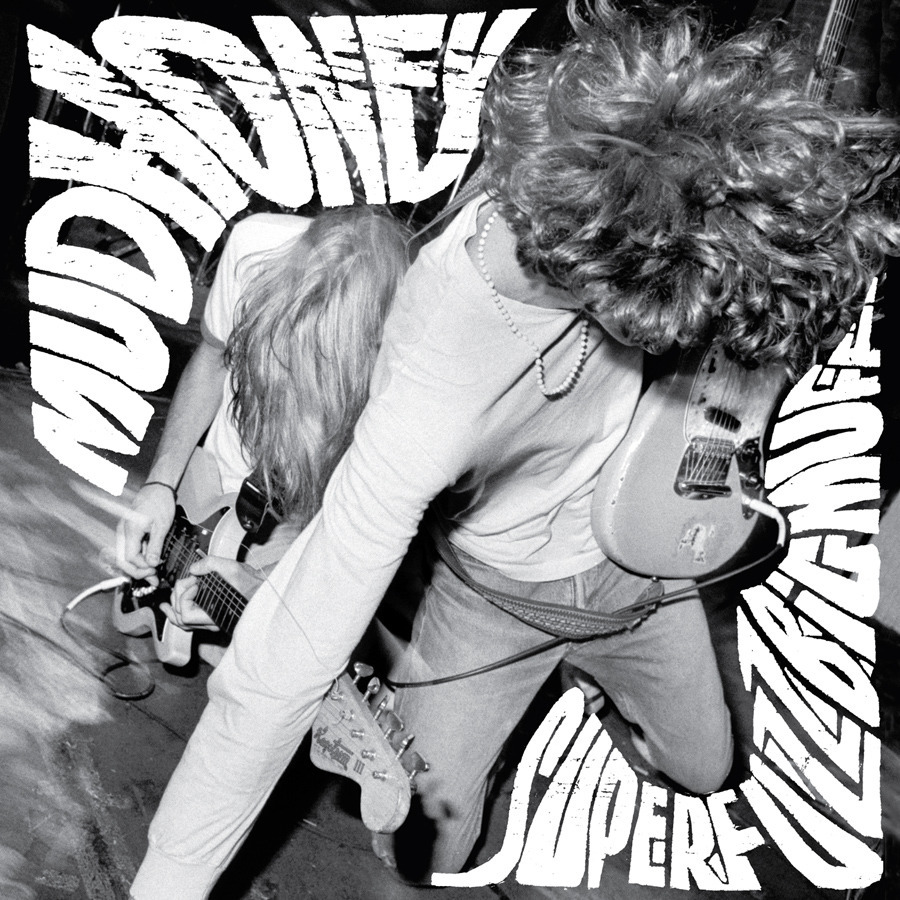
 View Artist