Song Meaning
The narrator is decisively exiting a relationship, drawing a hard line with a repeated, urgent command: "Chain that door." This isn't a gentle parting; it's a forceful expulsion, a declaration of finality aimed at someone who has caused significant emotional damage. The immediate setting is one of departure, a physical and emotional severing from a shared space and a hurtful dynamic.
The core tension lies in the narrator's profound sense of being diminished and devalued. The phrase "You made me feel like a big, dumb loser" is repeated, amplifying the sting of this perceived insult. This isn't just about leaving; it's about escaping the psychological toll of being made to feel inadequate by the other person. The repetition underscores the depth of this hurt and the narrator's resolve to no longer endure it.
The most striking element is the insistent, almost mantra-like chorus: "We know / We know / We know what I mean." This refrain suggests a shared, unspoken understanding between the narrator and the person being addressed, perhaps a history of similar hurtful interactions or a mutual recognition of the relationship's toxicity. It's a way of saying, "You know exactly why this is happening, and I know it too." The bridge, with its observation "See that I'm walking the way I am / Why you always hang around?" further emphasizes the narrator's self-assured departure and questions the other person's persistent presence, implying they should already understand the need to let go.
This track hits hard because of its raw, unvarnished declaration of independence. The bluntness of "Chain that door" and the repeated accusation of being made a "loser" bypass any pretense, cutting straight to the emotional core of betrayal and self-preservation. The "We know" chorus acts as a powerful, almost defiant affirmation of shared, albeit painful, knowledge, solidifying the narrator's decision and leaving no room for negotiation or regret.
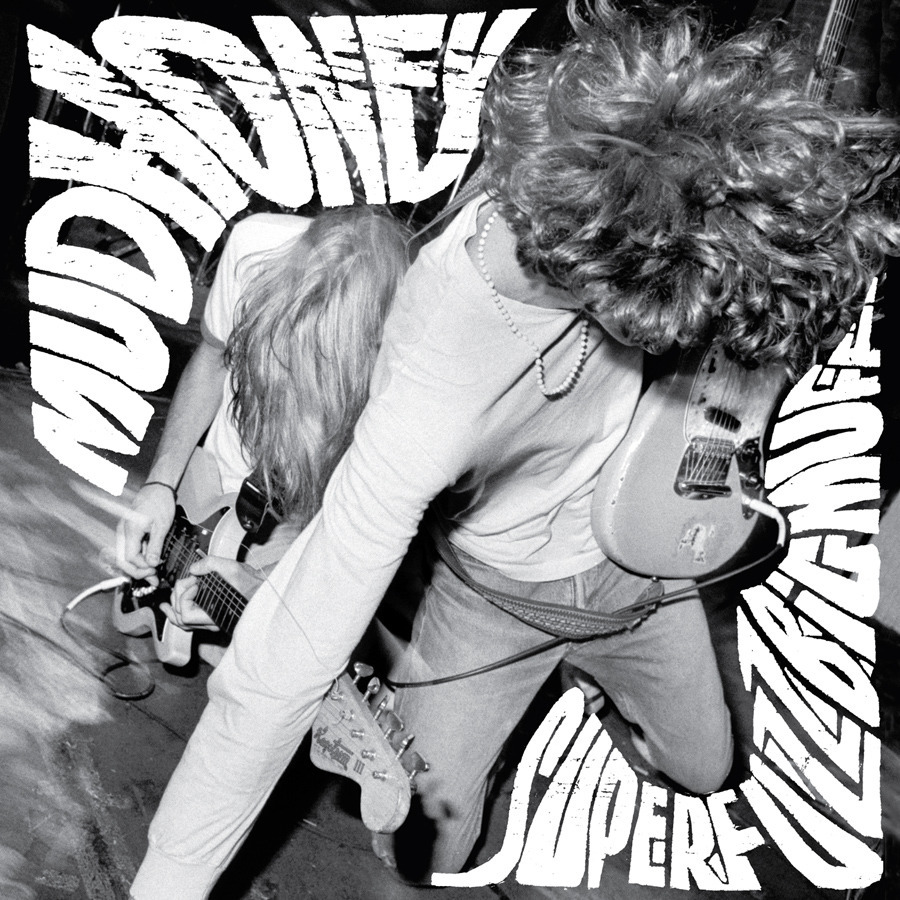
 View Artist