Song Meaning
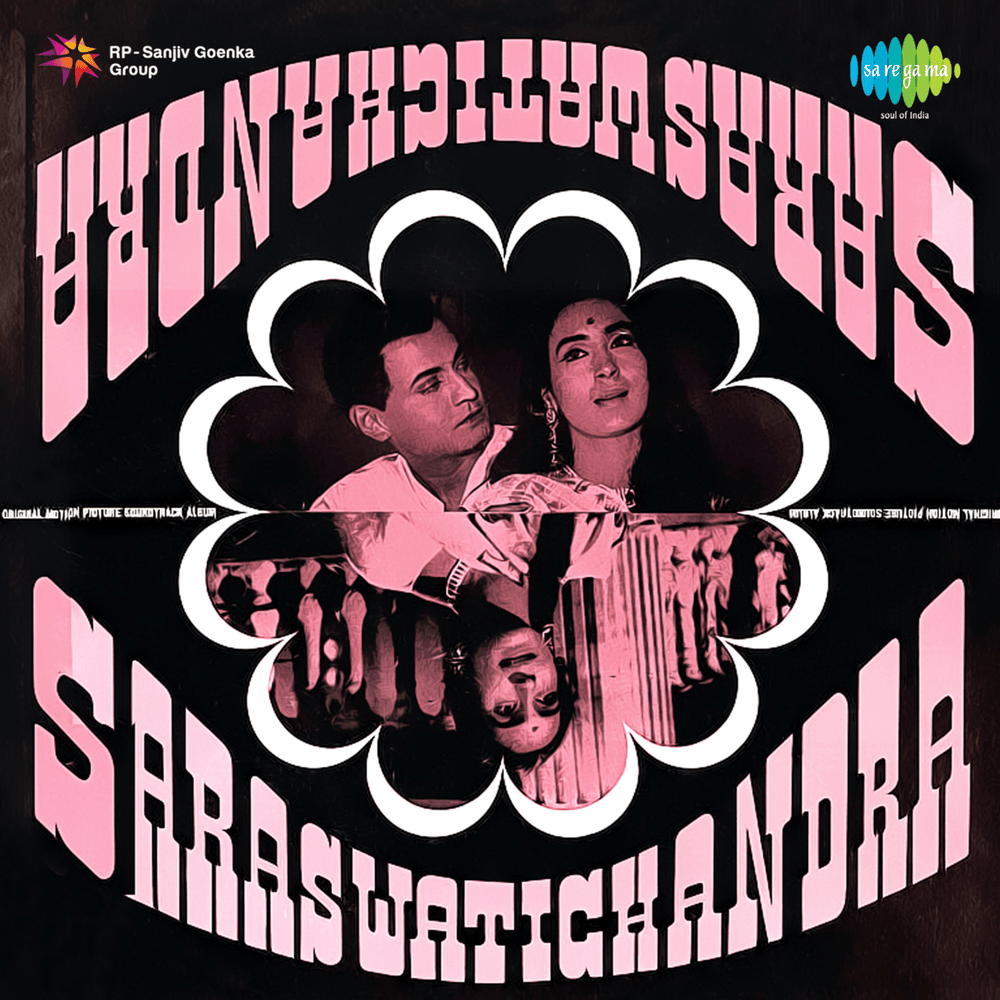
This song questions the extreme act of abandoning everything for one person. It opens with a direct address, asking a 'jogi' (ascetic) why they're running from life itself, leaving the whole world behind for just one heart. The core message is a strong plea against such drastic measures, stating it's not sensible for a person to forsake everything for a single individual. The lyrics argue that love, while significant, isn't the sole purpose of existence, and other important duties and aspects of life demand attention.
The central tension lies in the conflict between intense personal devotion and broader life responsibilities. The narrator acknowledges the desire for connection, like the 'meeting of body to body,' but immediately pivots to the sufficiency of 'mind to mind' connection. This suggests that even without physical closeness, a deep emotional bond can be fulfilling, likening it to the pleasant scent of flowers from afar. It implies that a complete union isn't always necessary for contentment.
A striking metaphor appears in the chorus: 'The moon isn't found by everyone in the world; a lamp is enough for light.' This powerfully illustrates that while grand ideals or perfect unions might be unattainable, simpler, more accessible sources of joy and guidance can suffice. The lyrics also pose a rhetorical question in the second verse: 'If one world has been ruined, why don't you create another?' This encourages resilience and rebuilding, suggesting that loss shouldn't lead to complete withdrawal but to the creation of new possibilities.
Ultimately, the effectiveness of these lyrics stems from their grounding in practical wisdom and emotional balance. They don't dismiss love but contextualize it within a larger framework of life's demands and possibilities. The repeated refrain, 'Leave the whole world for someone,' acts as a cautionary echo, reinforcing the idea that a balanced perspective, valuing both personal connection and worldly duties, is essential for a fulfilling human experience.
 View Artist