Song Meaning
These lyrics paint a stark picture of a speaker grappling with their own destructive tendencies. They offer apologies for pushing someone away and causing harm, yet these admissions are immediately undercut by a chilling flippancy or an embrace of their darker impulses. The opening lines set this tone, with a casual "I guess I just wanted to play" following an apology for pushing someone away.
The central tension here lies in the speaker's self-awareness of their toxicity versus a perverse pride in it. They confess to extreme actions like "smoked you out, in vodka you almost drowned," then declare, "Oh, how I love to burn shit down, down, down, down." This isn't just regret; it's a confession mixed with a defiant, almost gleeful acknowledgment of their capacity for chaos. The speaker seems to recognize the damage they inflict but finds a twisted satisfaction in it.
The phrase "the better of me" acts as a haunting, shifting refrain, revealing the speaker's internal battle. Initially, they "miss you, the better of me," suggesting the other person embodies their lost goodness. But this quickly devolves into "I'll kill you, the better of me," implying a desire to destroy any trace of that positive self. Later, the chilling line "I'm sorry I spit in your face, but you could get used to the taste / Come kiss me, the better of me" blurs the line between abuse and affection, suggesting a manipulative power dynamic where the speaker's "better self" is something to be forced upon or consumed by the other.
Ultimately, these lyrics are effective because they don't shy away from the messy, contradictory nature of a deeply flawed individual. The raw, visceral imagery and the constant emotional whiplash—from "I miss you" to "I'll kill you," and finally to "I need you, I love you, I hate you, the better of me"—create a compelling, unsettling psychological portrait. The writing forces the listener to confront the uncomfortable truth that self-awareness doesn't always lead to redemption, but sometimes to a deeper, more complex embrace of one's own shadows.
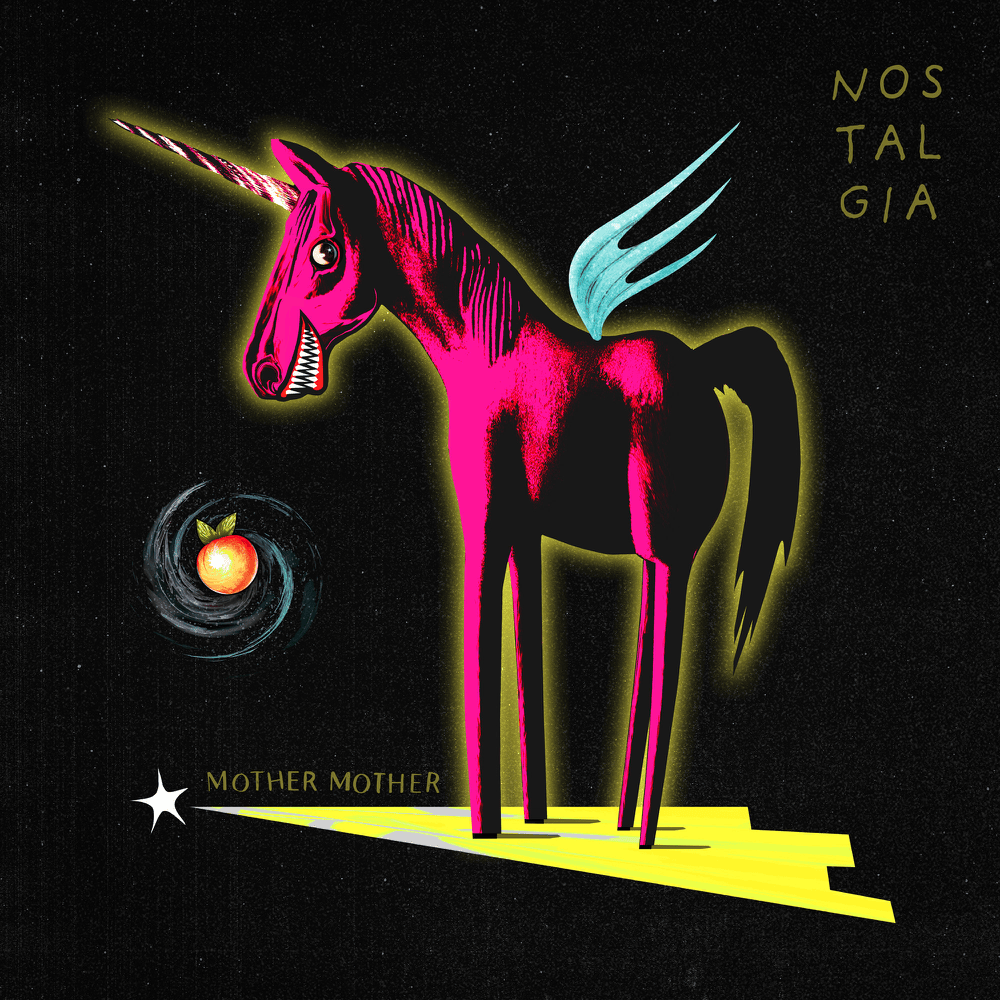
 View Artist