Song Meaning
This is a portrait of profound, lingering grief. The narrator occupies a "lonely room" with an "empty chair," a stark visual that immediately sets a tone of absence. The weight of the past is palpable, with everyday objects serving as constant, painful reminders of what's lost. The dominant emotion is a deep, settled sadness, a quiet ache that permeates the present.
The central tension lies in the narrator's inability to move forward. They are "living" not in the present, but "from souvenirs to more souvenirs," trapped in a cycle of remembrance. This isn't just about missing someone; it's about the inability to let go of a shared past where "our hearts had all to give." The "dreams you left behind" are now the narrator's sole focus, a burden of memory that prevents new growth.
The most striking lyrical device is the repeated phrase "From souvenirs to more souvenirs." It’s a powerful, almost claustrophobic image, suggesting a life cluttered with remnants of a lost relationship, a physical manifestation of an emotional state. This repetition emphasizes the stagnation, the feeling of being buried under the weight of memory. The contrast between the vibrant past, where hearts "had all to give," and the desolate present, where "loneliness has come to take your place," is devastating.
What makes these lyrics hit so hard is their unvarnished portrayal of enduring loss. The narrator isn't seeking solace or resolution; they are simply existing within the echo of what was. The final lines, "I close my eyes and see your face," offer no comfort, only a confirmation that the past remains vividly, painfully present, a constant companion in their solitude.
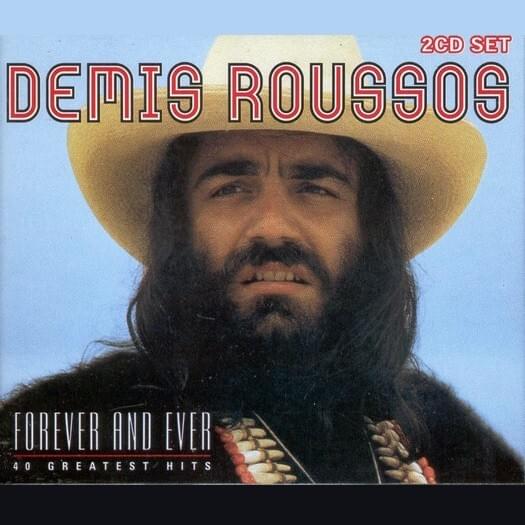
 View Artist