Song Meaning
The lyrics paint a picture of deferred joy, a future promised but perpetually out of reach. The central refrain, "We shall dance, we shall dance / The day we get a chance," immediately establishes a tone of hopeful anticipation, but it's a hope tethered to specific, almost mundane conditions. This isn't just about wanting to party; it's about achieving a state of freedom from debt and hardship.
The core tension lies between the desire for celebration and the crushing weight of obligation. The narrator speaks of needing to "pay off all the violins of the ball" and get "a dime to buy back our souls." These aren't typical financial burdens; they're metaphorical, suggesting a debt that has perhaps stolen their very spirit or the ability to experience simple pleasures like music and dance. The "violins of the ball" specifically tie the burden to a past or desired social event that they can't yet afford to participate in, let alone settle the costs for.
The most striking aspect is the juxtaposition of grand aspirations with stark realities. The narrator promises their "dear love" that "good days will come" and "the corn will grow in spring," painting a pastoral, almost biblical image of abundance. Yet, this vision is immediately followed by the need for a "house / With roof and walls / Fire with coal." It's a powerful contrast between idealized future prosperity and the fundamental necessities of shelter and warmth that are currently lacking. The repetition of "My spring time" acts as a desperate, almost incantatory plea for this future to finally arrive.
Ultimately, the effectiveness of these lyrics stems from their grounded, yet poetic, depiction of struggle. The narrator isn't just dreaming; they're articulating a specific, tangible set of unmet needs that prevent present-day joy. The promise of dancing and singing feels earned only after the debts are paid and basic security is achieved, making the eventual celebration, whenever it may come, seem profoundly significant.
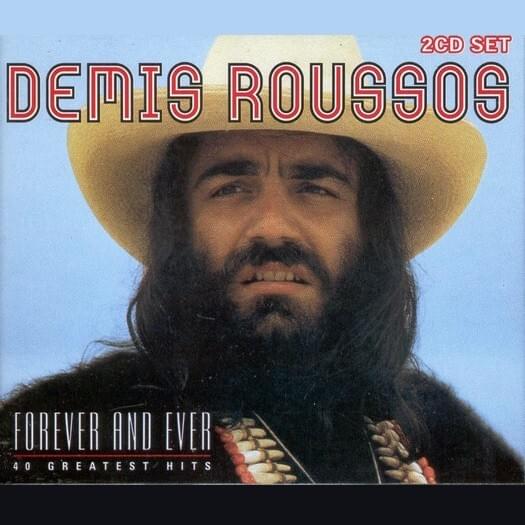
 View Artist