Song Meaning
The lyrics paint a picture of someone caught in a fast-paced, overwhelming environment, yearning for escape. The opening lines, "Ouça esta carta / Que eu não escrevi," immediately establish a sense of indirect communication and perhaps a feeling of being unable to articulate their true state. While claiming things are "well," the narrator admits to a constant thought: "Um dia em voltar." This sets up a core tension between the present reality and a desired return.
The narrator feels trapped in a chaotic scene, describing "As motocicletas se movimentando" and "Os dedos da moça / Datilografando." This imagery suggests a relentless, almost mechanical pace of life that feels disorienting, a "engrenagem / De pernas pro ar." The repeated, urgent desire for "um trem" signifies a need for a direct, perhaps even a forceful, means of departure from this overwhelming present.
The repeated phrase "Eu vou danado pra Catende" acts as a mantra of escape, a destination that represents freedom or a return to something familiar. The intensity of this desire is underscored by "Com vontade de chegar." The vivid image of "o sol é vermelho / Como um tição" adds a dramatic, almost apocalyptic, visual to this urgent flight, suggesting the heat and intensity of both the current situation and the desperate need to leave it behind.
This yearning for Catende is further amplified by the evocative list of figures and beings encountered or observed: "Mergulhão, mucambos, moleques, mulatos / Vêm ve-los passar." These details create a rich, almost dreamlike tapestry of the place being left or passed through. The farewell to "morena do cabelo cacheado" and the invocation of mythical beings like "caiporas" suggest a departure from a specific, perhaps folkloric, world, emphasizing the profound sense of leaving something deeply rooted behind in pursuit of that singular destination.
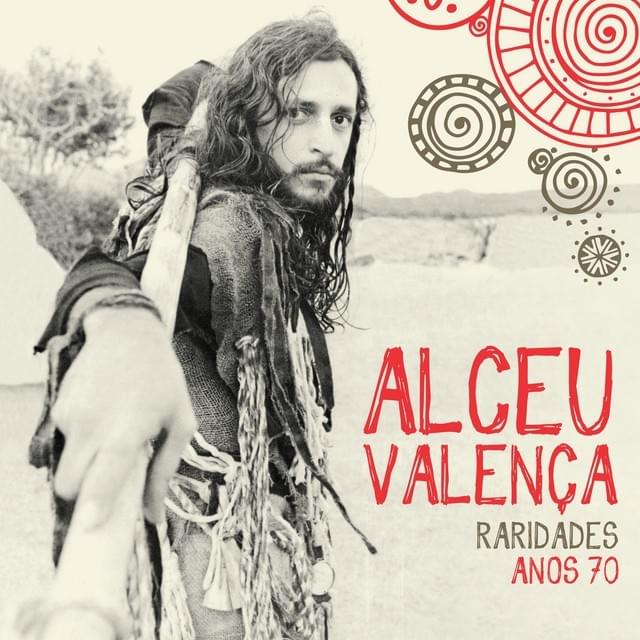
 View Artist