Song Meaning
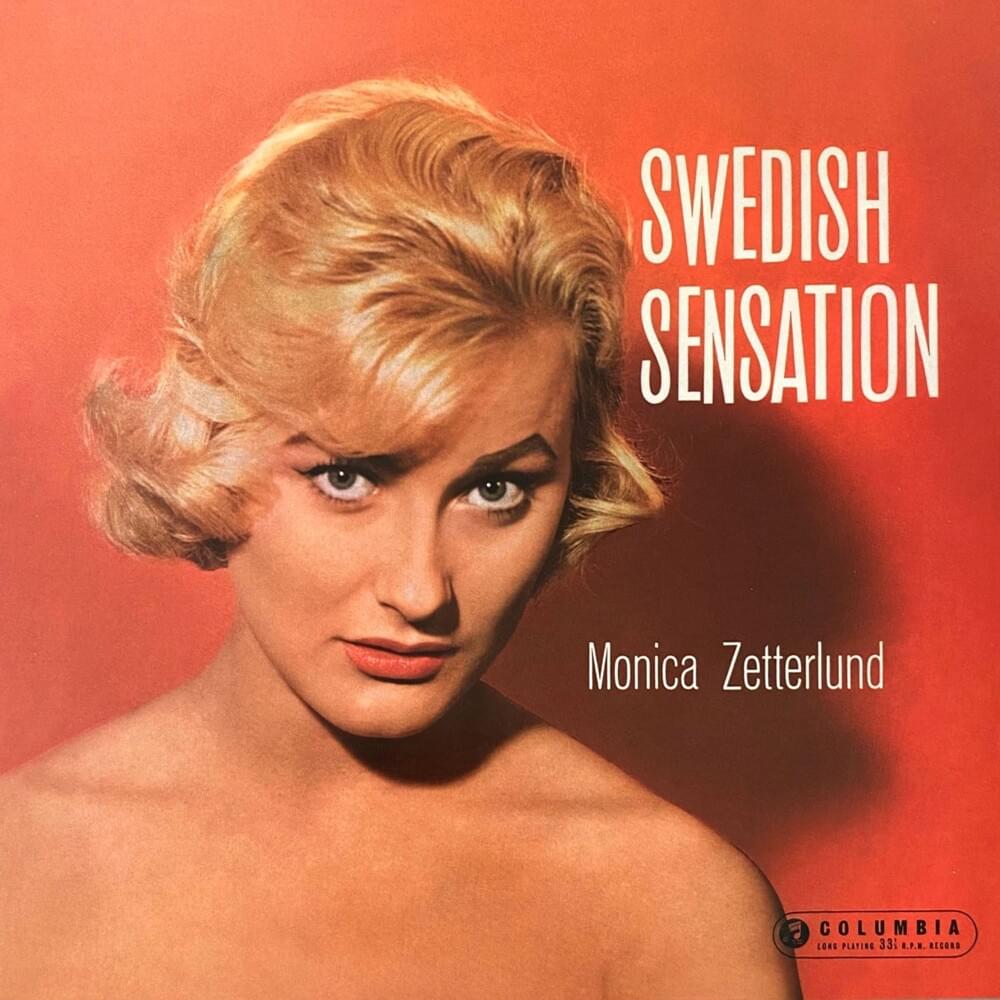
Monica Zetterlund's rendition of "Yesterdays" isn't just a wistful glance backward; it's a deep dive into the psychology of memory itself. The song, a jazz standard, uses its lyrical simplicity as a Trojan horse, smuggling in complex emotions about time, loss, and the selective nature of nostalgia. The opening lines, repeating "Yesterdays, yesterdays," act as a hypnotic trigger, pulling us into a past idealized as "happy" and "golden." But the crucial element here is the awareness of that idealization; it's a 'sweet sequester' – a carefully curated and isolated memory. This suggests a conscious, or perhaps unconscious, need to protect those moments from the complexities of reality.
The juxtaposition of past and present is where "Yesterdays" truly resonates. The lyrics contrast the remembered "gay youth" and "flaming life" with the present-day acknowledgement: "Sad am I, glad am I / For today I'm dreaming of yesterdays." This isn't simple regret; it's a bittersweet acceptance. The sadness stems from the irretrievability of the past, while the gladness acknowledges the comfort and inspiration derived from those memories. Zetterlund's interpretation infuses the song with a knowing maturity, hinting that the very act of dreaming of yesterdays is a way of keeping those moments alive, even as they fade.
Ultimately, the song meaning of "Yesterdays" circles back to the fundamental human tendency to romanticize the past. It suggests that these idealized memories, however skewed, serve a vital psychological function. They provide solace, offer a sense of continuity, and perhaps even fuel a longing for a return to a perceived state of innocence. The song's cyclical structure, constantly returning to the refrain of "yesterdays," mirrors the repetitive nature of memory itself, forever replaying in the chambers of the mind. It’s a testament to the enduring power – and the inherent dangers – of looking back.
 View Artist