Song Meaning
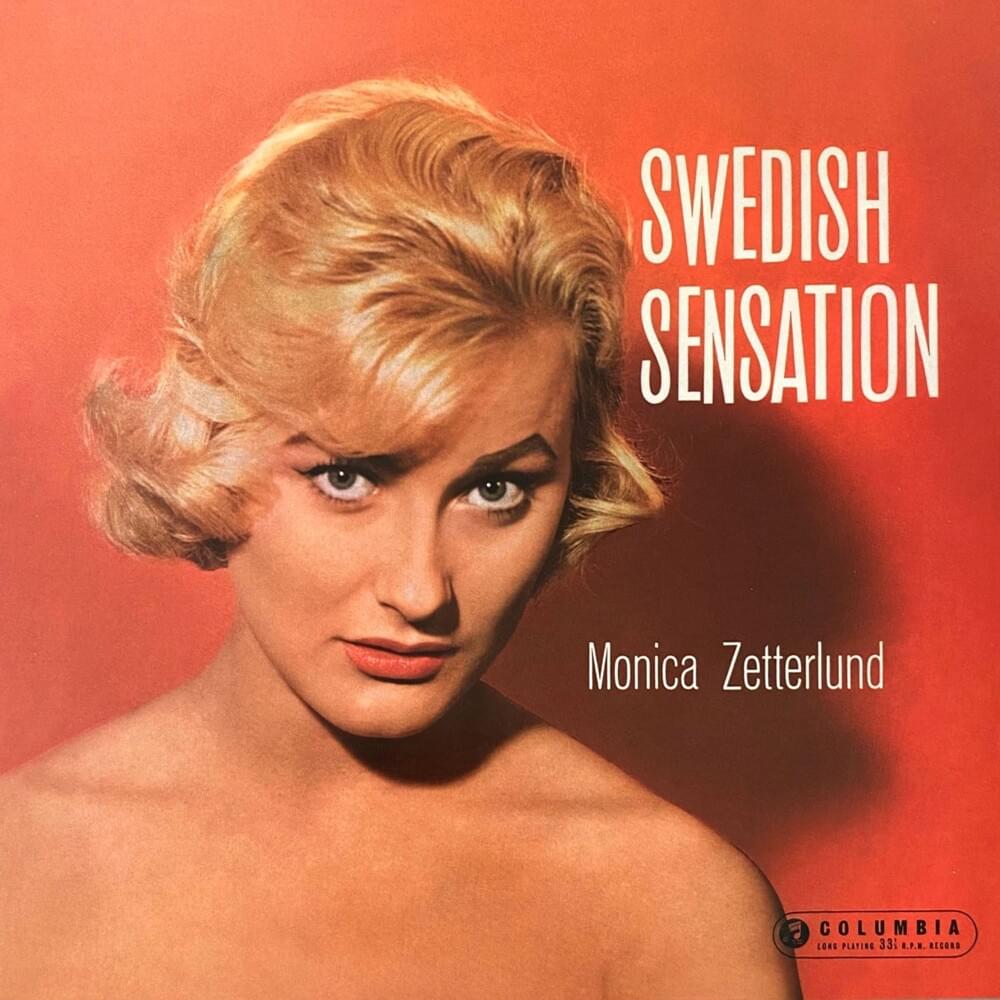
Monica Zetterlund's "Lonesome Road" isn't just a melancholic stroll; it’s a stark confrontation with mortality and the burdens we carry. The recurring phrase "Look down, look down that lonesome road / Before you travel on" serves as both a warning and an invitation to self-reflection. It suggests a journey, not merely physical, but one of profound introspection before facing an uncertain future. The road itself symbolizes life's challenges and the inevitable path toward death, amplified by the impending judgment signaled by Gabriel's horn. This isn't just about the end; it’s about the reckoning. The lyrics paint a picture of someone weighed down, "Weary, totin' such a load," hinting at regrets, unresolved conflicts, or the sheer weight of existence.
The spiritual undercurrent of "Lonesome Road" runs deep. The plea to "look up and see your maker / Before Gabriel blows his horn" injects a sense of urgency and accountability. It suggests a need for spiritual reconciliation before time runs out. This isn't necessarily confined to a specific religious doctrine, but rather a universal call to examine one's conscience and make peace with a higher power or a sense of cosmic justice. The road becomes less about geographical direction and more about spiritual orientation.
The middle verse, addressing lost love, adds another layer of complexity. "True love, true love, what have I done / That you should treat me so" speaks to betrayal or disappointment, suggesting that broken relationships contribute to the "load" being carried. This lost love forces a transformation, "You calls me to walk and talk / Like I never did before," perhaps indicating a painful but necessary evolution of the self. The lonesome road, therefore, becomes a path of personal reckoning, shaped by both spiritual yearning and the scars of human connection. Ultimately, Zetterlund's interpretation transforms a simple folk tune into a powerful meditation on life, loss, and the search for meaning before the final journey begins.
 View Artist