Song Meaning
Monica Zetterlund's rendition of "I'm a Fool to Want You" lays bare the masochistic heart of destructive desire. It's not merely about unrequited love; it's about the agonizing awareness of being a fool, knowingly pursuing a connection that offers only fleeting solace amidst profound pain. The opening lines, stark in their repetition, establish a self-condemning tone. The narrator isn't lamenting lost love; she's indicting herself for *wanting* it in the first place, fully cognizant of its flawed nature: "a love that can't be true/A love that's there for others too." This isn't naive longing; it's a deliberate embrace of heartache. The "fool" isn't tricked; she's complicit. The lyrics suggest a relationship steeped in infidelity or at least the *aura* of it. The kiss she seeks is "not mine alone," tainted by "the devil," implying a moral corruption intertwined with the physical intimacy. It's a potent image of shared guilt and compromised affection.
The song's emotional core resides in the push-and-pull dynamic described in the bridge. The narrator attempts to break free, repeatedly vowing to leave and even managing temporary departures. Yet, the addiction to this toxic bond proves too strong. "But then would come the time, the time I would need you/And once again these words I'd have to say." This cyclical pattern highlights the psychological dependency at play. It's not about the lover's power, but about the narrator's own weakness, her inability to resist the magnetic pull of familiarity, even when that familiarity breeds contempt and self-loathing. The repetition of "I'm a fool to want you" underscores this destructive loop.
The final verse seals the narrator's fate. "Pity me I need you" is a desperate plea, stripped of any romantic pretense. It's an admission of utter dependence, a recognition that the need transcends reason or even happiness. The concluding lines, "I know it's wrong, it must be wrong/But right or wrong, I can't get along without you," encapsulate the essence of codependency. The narrator acknowledges the inherent wrongness of the situation, the unsustainable nature of the relationship, yet confesses an inability to function independently. It is a raw, unflinching portrayal of emotional captivity, a testament to the dark allure of destructive love. Zetterlund's interpretation, imbued with a world-weary resignation, transforms the song from a simple lament into a chilling psychological portrait.
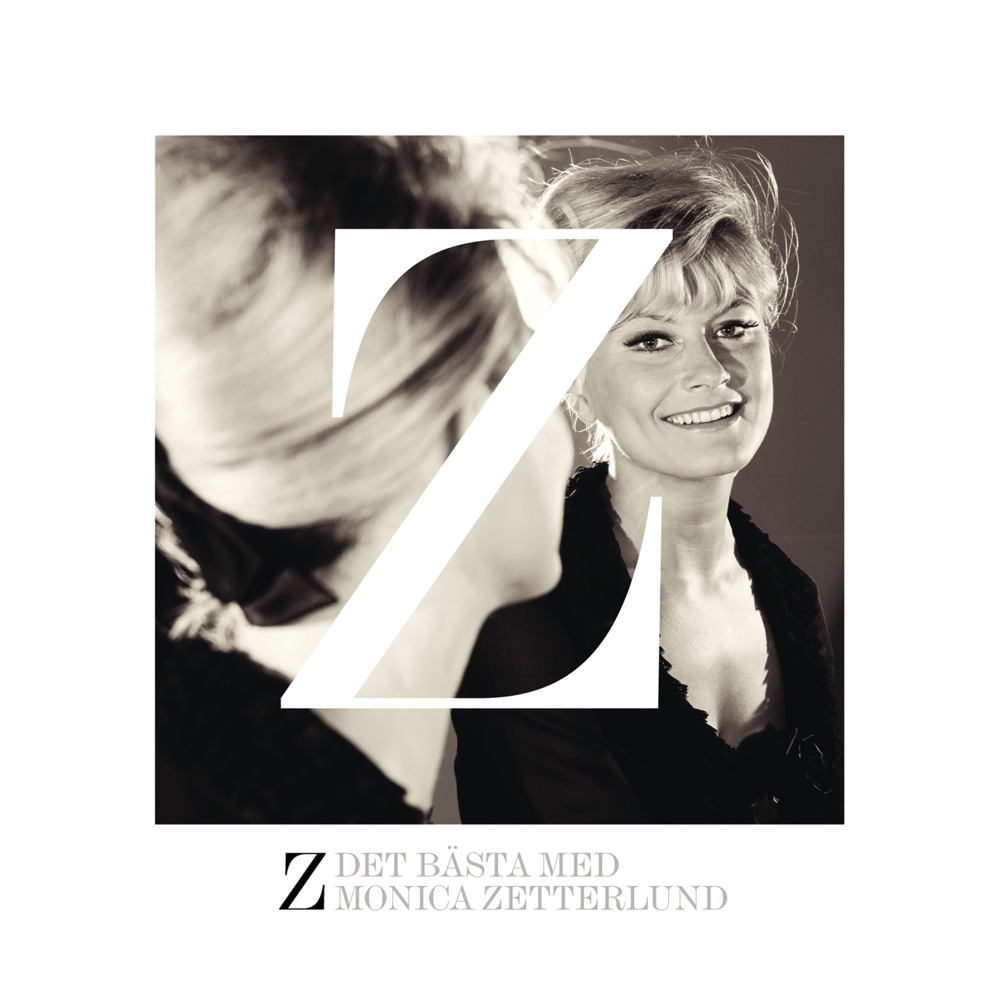
 View Artist