Song Meaning
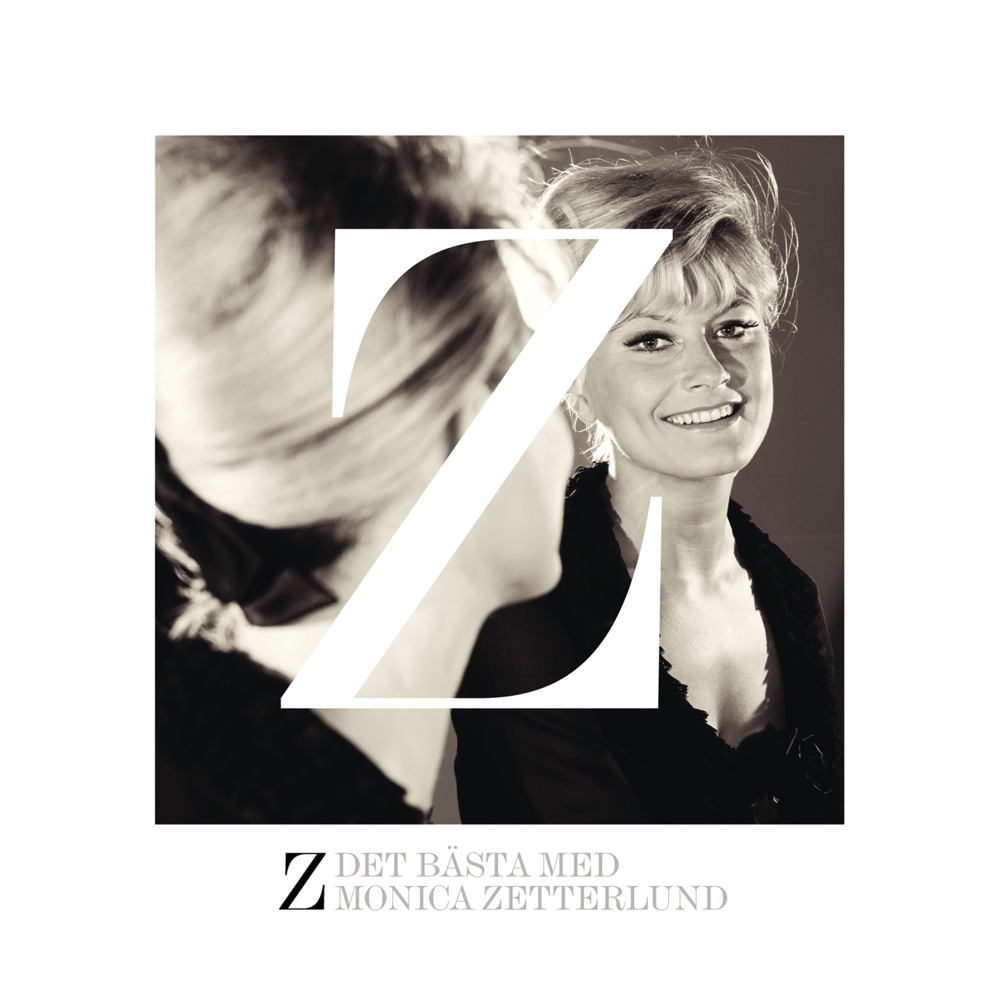
Monica Zetterlund's rendition of "Ack, Värmeland du sköna" isn't just a song; it's a deeply felt homecoming, a paean to roots that resonate with a primal, almost instinctual force. The lyrics, steeped in regional pride, paint Värmland as not just a geographical location but a repository of values – honor, faith, and a kinship so profound it transcends mere acquaintance. The "lustigt" life in Värmland isn't about superficial pleasure; it's about a deeper contentment derived from belonging and connection to both the land and its people. Zetterlund, through her delivery, transforms this folk tune into a personal declaration, a longing for the simplicity and authenticity that modern life often obscures.
The recurring motif of returning to Värmland, even from a promised land elsewhere, speaks volumes about the psychological power of place. It suggests that true fulfillment isn't necessarily found in external achievements or exotic locales, but rather in the embrace of one's origins. The desire to both live and die in Värmland underscores the cyclical nature of life and the comfort found in returning to the source. The lyrics subtly hint at a rejection of transient, superficial connections in favor of the enduring bonds forged within a community rooted in shared values and history.
The imagery of the forests providing "tystnadens ro" (the peace of silence) and the rivers singing their "ljuvliga sång" (sweet song) further reinforces the idea of Värmland as a sanctuary. It's a place where one can find solace in the natural world, a refuge from the cacophony of modern existence. The final image of peacefully sleeping and resting in Värmland's soil completes the circle, suggesting a profound acceptance of mortality and a deep connection to the land that transcends even death. Zetterlund’s interpretation elevates this simple ode to Värmland into a meditation on belonging, identity, and the enduring power of home.
 View Artist