Song Meaning
The narrator drifts through time, a passive observer carried by a "northern wind." This sense of being swept along, of consciousness left behind, sets a tone of detachment and perhaps resignation. The repeated phrase "Stále dál" (Still further/onward) acts as a refrain, emphasizing this relentless, unchosen movement through existence. It’s a journey without a clear destination, driven by forces beyond the narrator's control.
The core tension lies in the narrator's attempt to quantify their own existence. They use a "blind man's stick" to count the length of their being, a poignant image suggesting an inability to truly see or grasp the nature of life. This is coupled with a past of "playing dice with fate" and being consumed by "stupid desire," hinting at a history of impulsive choices and a present confusion about direction.
The most striking craft element is the juxtaposition of the abstract concept of time and fate with the concrete, almost tactile imagery of the blind man's stick and dice. This contrast highlights the narrator's struggle to reconcile grand, existential questions with a tangible, perhaps limited, means of understanding. The repetition of the counting verse reinforces the obsessive, yet ultimately futile, attempt to measure a life that feels inherently immeasurable.
This lyrical approach is effective because it taps into a universal feeling of being adrift, of questioning one's path and purpose. The specific, almost melancholic imagery grounds the abstract existential dread, making the narrator's internal struggle feel both personal and deeply resonant. The "still onward" refrain leaves the listener with a sense of unresolved movement, mirroring the ongoing nature of life's uncertainties.
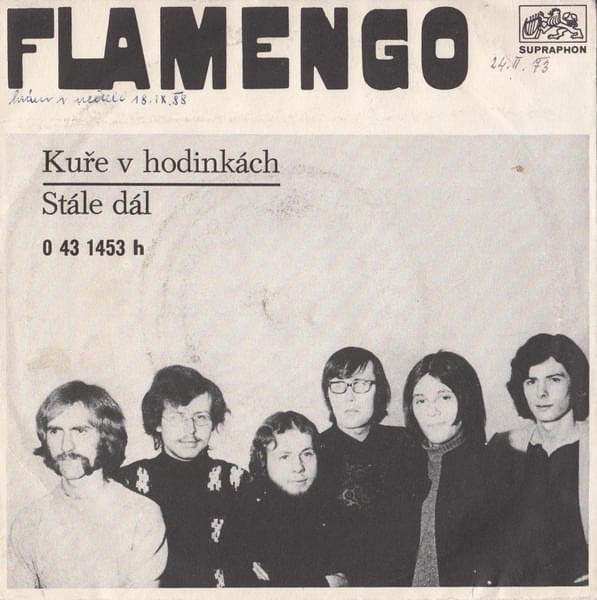
 View Artist