Song Meaning
The lyrics paint a picture of someone caught in a loop of repetitive, dreamlike days. The narrator opens the same houses and walks through empty streets, a stark contrast to the implied movement of dragging trees. This sense of being stuck is amplified by the recurring question, "Čím to jenom může být?" (What could it be?), suggesting a deep confusion or lack of understanding about their own state of being. The repetition of "V prázdném městě chodím sám" (I walk alone in an empty city) underscores a profound sense of isolation.
There's a palpable tension between the desire to escape and the inability to break free. The narrator rushes "do nových dnů" (into new days) and "utíkám od smutných snů" (run away from sad dreams), yet the imagery of opening "stejné domy" (the same houses) implies a cyclical existence. The city, which "nocí sálá" (glows at night) and "nocí láká" (tempts at night), seems to offer a fleeting allure that the narrator rushes towards, perhaps seeking a distraction from the underlying melancholy.
The most striking craft element is the juxtaposition of internal thought and external action, blurred by the dreamlike quality. The phrase "Oči zavírám a sním" (I close my eyes and dream) is presented as something that happens "Prý" (they say), creating a subtle distance between the narrator and their own perceived actions. This ambiguity suggests the narrator might be passively experiencing their life, questioning if it's all just a dream, "Snad se mi to jenom zdá" (Maybe it just seems that way).
Ultimately, the effectiveness of these lyrics lies in their evocation of a disoriented, melancholic state. The simple, repetitive structure and imagery of an empty city create a powerful feeling of loneliness and stagnation. The narrator's hurried movements towards an uncertain future, while simultaneously running from sad dreams, captures a universal human struggle with inertia and the search for meaning in a seemingly indifferent world.
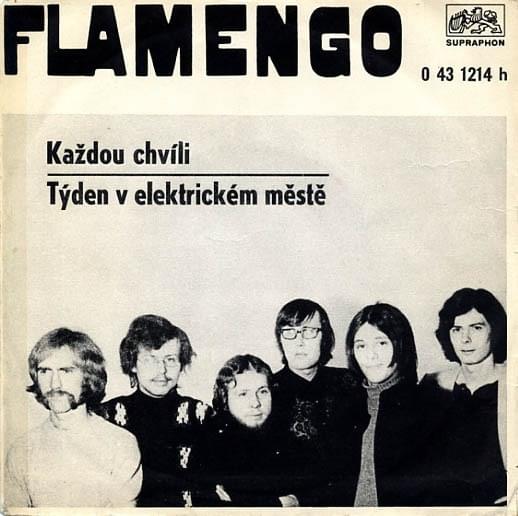
 View Artist