Song Meaning
The narrator is trapped in a city, a place described as "full of wires," with only a week to escape before being sent back sevenfold. This isn't a vacation; it's a desperate, time-limited mission. The dominant tone is one of urgency and a haunting search for a past connection, a love that seems to have vanished into the urban sprawl. The city itself feels alien and impersonal, a stark contrast to the intimacy the narrator craves.
The core tension lies in the narrator's fragmented memory and their struggle to reconcile the past with the present. They are searching for a specific house, a place where they were once loved, but the city's overwhelming nature, filled with "numbers" and "neon corners," obscures this memory. The phrase "My memory sleeps" suggests a deliberate or imposed amnesia, adding a layer of mystery to their quest. They know details about their past relationship but are lost in the present environment.
The lyrics paint a vivid picture of a disorienting, almost dystopian urban landscape. Images like "three stars and automatic graters" and "machines that make dawn" evoke a sense of artificiality and mechanical existence. The narrator actively avoids "shiny necks" and "neon corners," suggesting a revulsion towards the soulless, perhaps even predatory, aspects of this electric city. This avoidance highlights their desperate need to find something real amidst the manufactured environment.
Ultimately, the repeated plea, "So come out of the house," serves as the emotional anchor. It's a desperate call, perhaps to the lost love, perhaps to the narrator's own past self, urging them to break free from the city's grip. The relentless repetition of this phrase, juxtaposed with the impersonal "they go on," underscores the narrator's isolation and the immense difficulty of their escape. The effectiveness lies in this raw, almost frantic plea against a backdrop of cold, indifferent machinery.
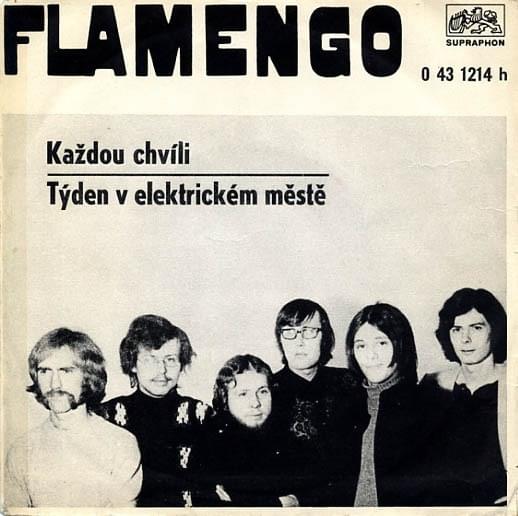
 View Artist