Song Meaning
The narrator grapples with a profound sense of self-definition, feeling adrift without external validation or clear direction. They question how to construct their identity, asking, "How can I / Make an outline of myself?" This initial confusion is amplified by a perceived lack of guidance, as they search for "guidelines / For the profiles." The immediate emotional texture is one of anxious introspection, a deep-seated worry about perception and purpose.
The central tension arises from the narrator's anxiety about how they are seen by others, coupled with a sense of guilt. This isn't just about personal insecurity; it's tied to a broader critique of societal influences, specifically the "media." The lyrics suggest a feeling of being manipulated or misled, leading to a desire to reject falsehoods and embrace personal accountability. The shift from personal worry to a collective "We are responsible" marks a crucial turning point.
The most striking craft element is the abrupt pivot from internal questioning to an external, almost accusatory, statement about the media. The phrase "The media / Robs and betrays us" is blunt and powerful, cutting through the earlier vulnerability. This directness contrasts sharply with the hesitant, searching tone of the opening lines, highlighting the narrator's frustration and their eventual realization that external sources of truth are untrustworthy. The call for "No more lies" feels like a defiant stand.
These lyrics resonate because they tap into a common feeling of being overwhelmed by external narratives and the struggle to forge an authentic self. The writing effectively captures the disorienting experience of seeking identity in a world saturated with potentially deceptive information. The ultimate assertion of responsibility offers a sense of agency, transforming anxiety into a call for self-reliance and critical awareness.
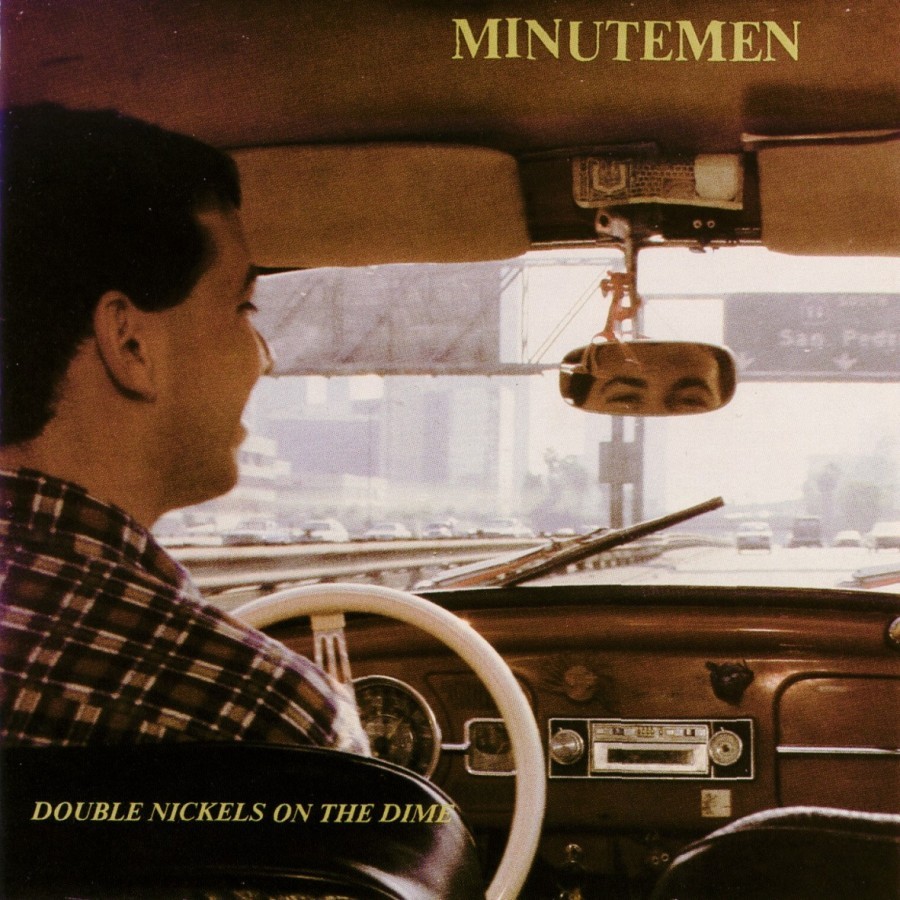
 View Artist