Song Meaning
The lyrics paint a stark picture of disillusionment with a monotonous and soul-crushing work life. The narrator describes the daily grind of "punch in, punch out" for "eight hours, five days," enduring "sweat, pain, and agony" just to get paid on Friday. This routine is presented as a loss of self-respect, particularly when it's for "a man who presides over me," suggesting a hierarchical and oppressive work environment. The repeated phrase "this ain't no picnic" hammers home the sheer misery and lack of enjoyment in this existence.
The central tension arises from the conflict between the drudgery of labor and the narrator's desire for dignity and freedom. There's a clear sense of being trapped, needing to pay bills and rent, which prevents even the basic act of "pitch[ing] a tent" because "our land isn't free." This economic constraint forces the narrator to "work my youth away," feeling like a cog in "the place of a machine," a stark contrast to the idea of personal autonomy.
The most striking aspect of the writing is the blunt, almost defiant repetition of "this ain't no picnic." It's not just a statement of fact; it's a visceral rejection of any notion that this life is pleasant or easy. The lyrics also effectively use the image of being "in the place of a machine" to convey a dehumanizing experience, stripping away individuality and reducing the worker to a mere component. The plea, "Hey, mister, don't look down on me / For what I believe," adds a layer of personal conviction clashing with external judgment, further emphasizing the struggle for self-worth.
Ultimately, these lyrics resonate because they capture the raw frustration of feeling exploited and undervalued. The directness of the language, combined with the relentless chorus, creates an undeniable sense of weariness and defiance. It’s the feeling of being stuck in a system that demands everything and offers little in return, leaving the narrator to declare, "I refuse to be a slave" despite the overwhelming circumstances.
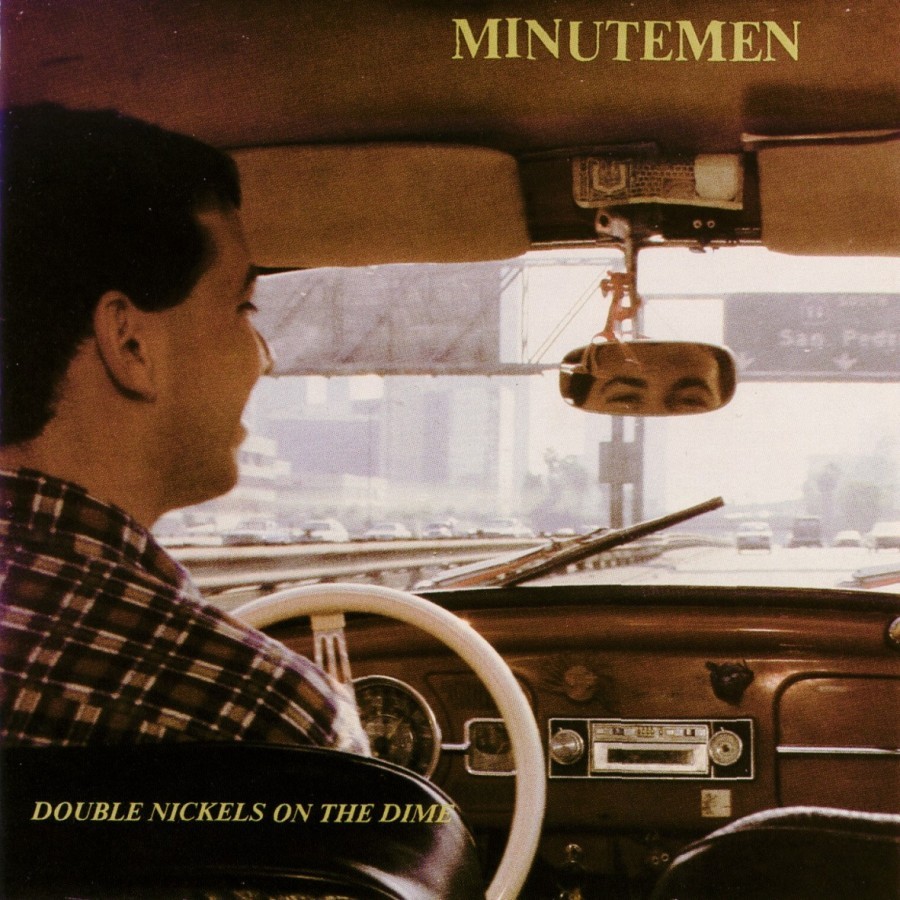
 View Artist