Song Meaning
These lyrics paint a poignant picture of belated emotional reckoning. The narrator initially praises themselves for not crying, believing they were strong or admirable for suppressing their feelings after a loss. It's a vivid snapshot of someone trying to project an image of resilience, even to themselves.
The central tension emerges from a profound, hard-won realization: "I really didn't know that love grows even after it's left behind." This isn't about love for another person growing, but the *grief* and *longing* associated with it. The narrator describes feeling like "a child lost in longing," overwhelmed and disoriented by emotions they thought they had mastered or buried. The repeated admission, "Yes, I'm lost, I'm lost, I've lost so much, truly," underscores this deep sense of disorientation and the sheer weight of their unacknowledged pain.
The craft here is particularly sharp in its use of visceral imagery and ironic perspective. The narrator describes "sorrows that swelled up from being suppressed," a powerful, almost physical metaphor for bottled-up grief finally overflowing. The ultimate twist is the narrator's redefinition of maturity: "I really didn't know that crying when tears flow is what an adult does." What was once perceived as weakness is now understood as true strength, a necessary act of emotional honesty.
Ultimately, these lyrics hit hard because they capture the painful, often nonlinear process of growing up. They articulate the universal experience of trying to bypass grief, only to find it waiting, magnified, until it can no longer be ignored. The narrator's journey from false strength to vulnerable, tearful acceptance feels authentic, a testament to the quiet power of confronting one's own heart.
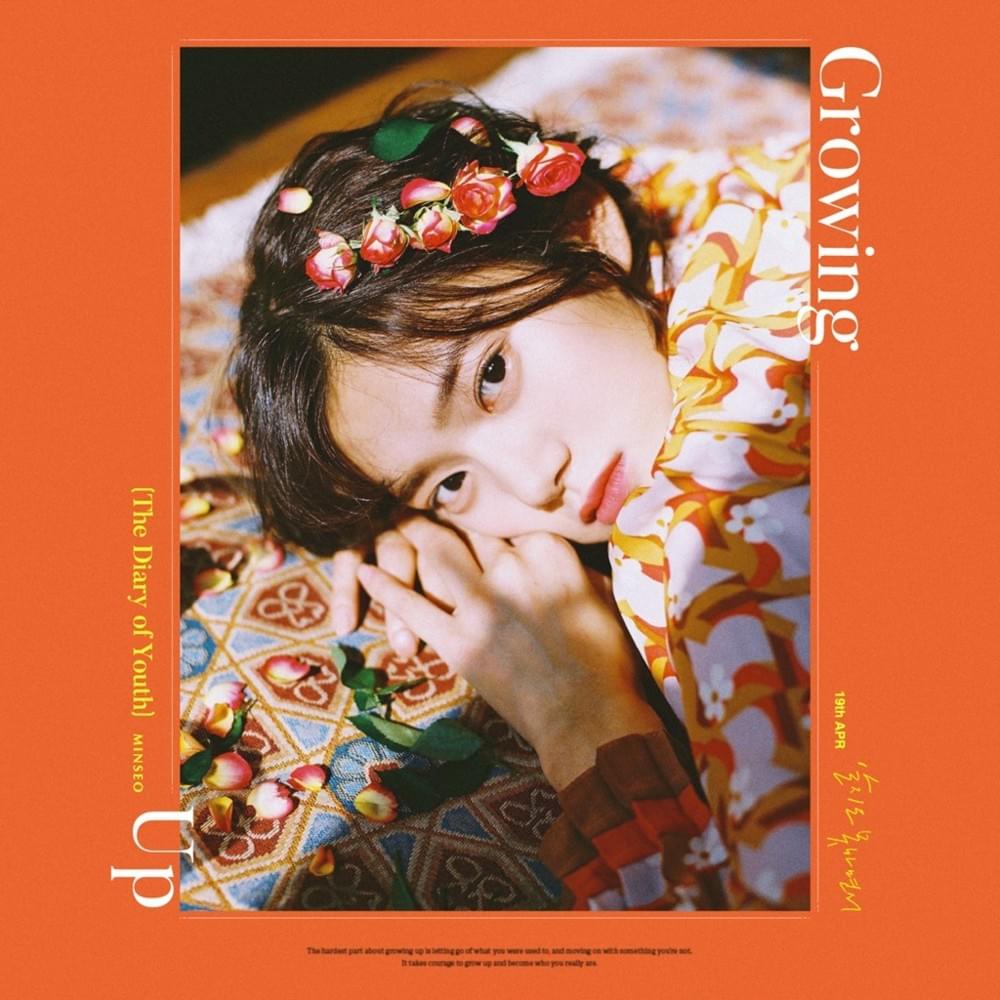
 View Artist