Song Meaning
These lyrics paint a picture of quiet triumph over a long-endured past. The speaker reflects on a significant passage of time, specifically "Nineteen years now," since a period of intense difficulty. There's a palpable sense of relief as the "darkness is far away," suggesting a hard-won peace.
The central emotional tension lies in the distinction between memory and active suffering. The "scar" remains, a permanent mark of what was, yet the crucial detail is that "There's no pain left." This isn't about forgetting or erasing the past, but about transcending its power to inflict present hurt. The repeated assertion that the "darkness is far away" underscores a deliberate, successful distancing from past trauma.
The craft here is subtle but powerful, particularly in the repetition and the final, striking line. The near-identical stanzas reinforce the speaker's settled conviction, making the message feel deeply ingrained and true. The repetition of "far away" acts like a mantra, solidifying the emotional distance achieved. Then, the concluding phrase, "Something death cannot erase," shifts the perspective, suggesting that whatever endured through the darkness—perhaps resilience, love, or a lesson learned—is now an unassailable part of the speaker's being.
Ultimately, these lyrics are effective because they articulate a profound truth about healing: that while the marks of the past may persist, their capacity to wound can diminish and even vanish. It's a testament to endurance, painting a vivid emotional landscape where time, though long, ultimately brings solace and reveals an unbreakable core that even mortality cannot touch.
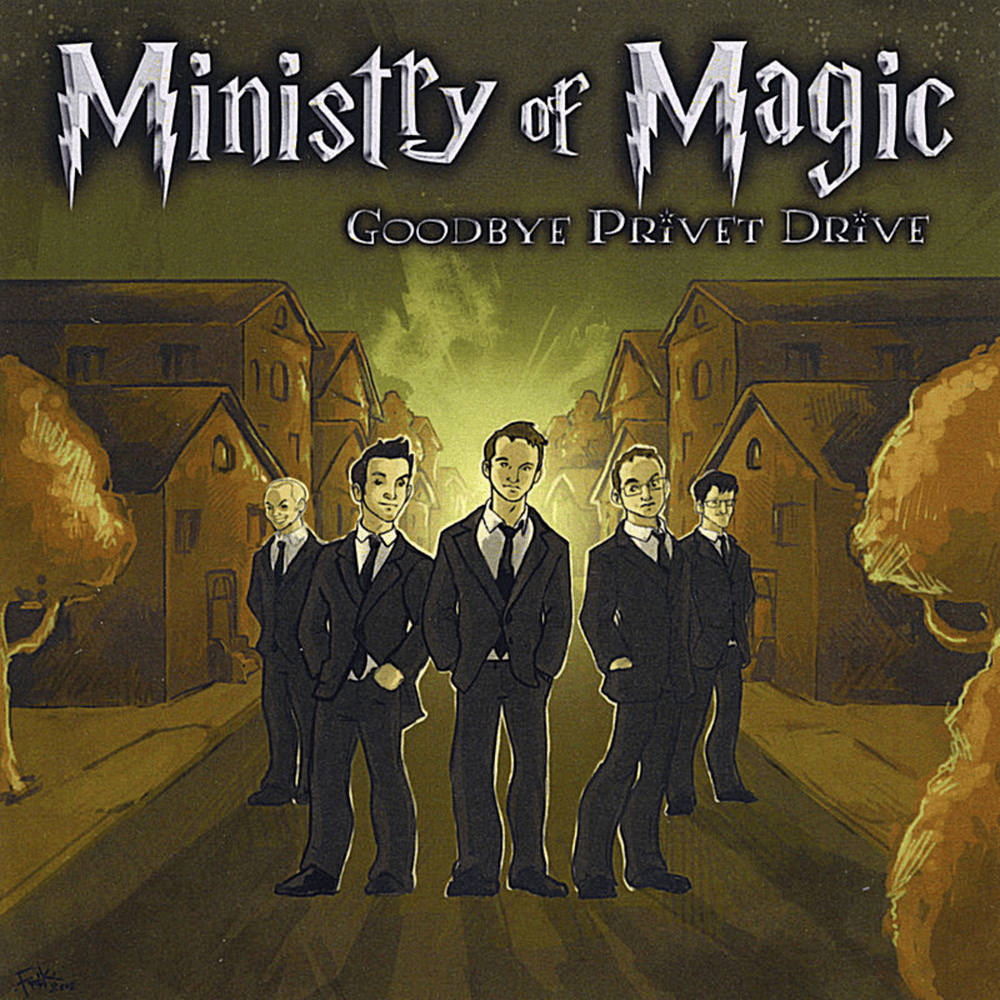
 View Artist