Song Meaning
The lyrics paint a stark picture of persistent suffering and a deep sense of resignation. The narrator opens with a question about an eternal state of despair, "Benim boynum hep böyle bükülü mü kalcak?" (Will my neck always remain bent like this?), immediately establishing a tone of weariness and a life defined by internal conflict. The feeling of being already "yaşarken ölmüşüm ben" (I have died while living) suggests a profound emotional numbness or the crushing weight of ongoing hardship. The plea for help, "beni ner'den bulacak?" (where will it find me?), underscores a feeling of being lost and beyond reach.
The core tension revolves around the perceived necessity of pain for survival and happiness. The narrator questions if the goal of living inherently requires suffering, "Gayemiz yaşamaksa acı çekmek mi lazım?" (If our goal is to live, is it necessary to suffer?). This is amplified by the relentless presence of "çaresizlik" (helplessness) and a justified "isyan" (rebellion) against this fate. The rhetorical question, "Bu dünyada gülmek için ölmek mi lazım?" (Is it necessary to die to laugh in this world?), powerfully conveys the absurdity and injustice of their perceived reality.
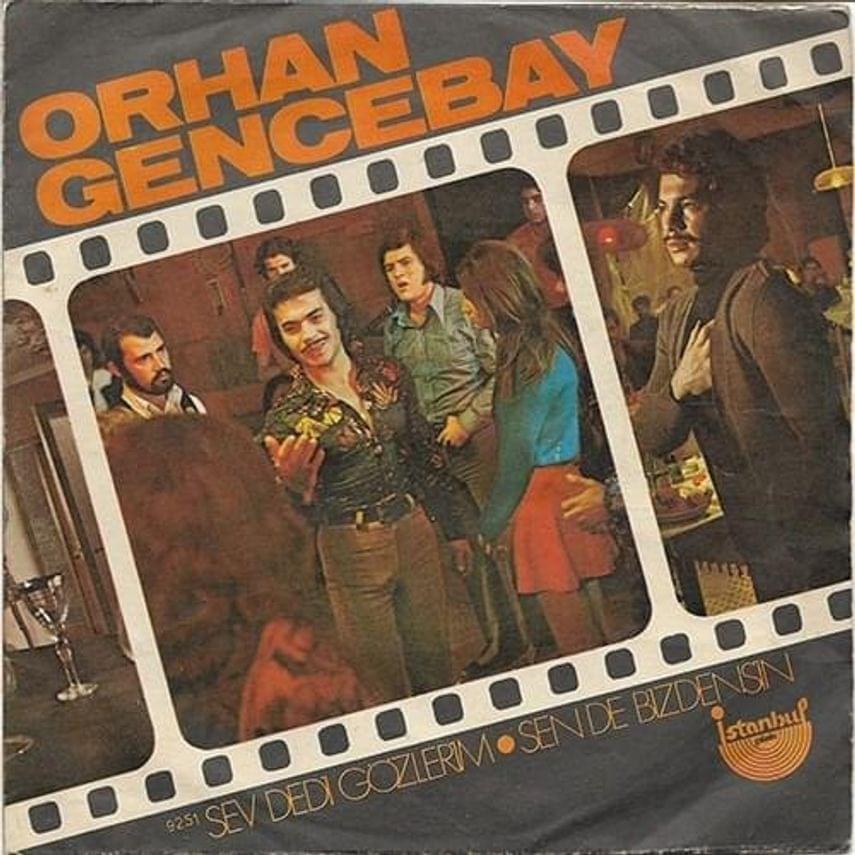
The most striking element is the recurring address, "arkadaş" (friend), which shifts from a potential source of solace to a declaration of shared fate. In the "Arka Nakarat" (Bridge), this address becomes a somber recognition: "sen de bizdensin" (you are one of us). This isn't an invitation to camaraderie but a confirmation of mutual despair, stating, "Bizim gibi meçhule gidenlerdensin" (You are one of those going towards the unknown like us). This phrase transforms the personal lament into a collective experience of uncertainty and inevitable decline.
This writing is effective because it grounds existential dread in relatable, everyday language and imagery. The repetition of "bükülü" (bent) and the contrast between living and dying, suffering and laughing, create a palpable sense of entrapment. The ultimate realization that the listener, addressed as "arkadaş," shares this same bleak trajectory is what makes the lyrics resonate, transforming a personal cry into a shared, melancholic acknowledgment of a difficult existence.
 View Artist