Song Meaning
Milton Nascimento's "Vida" isn't just a song; it's an open invitation to existence itself. Stripped down to its core, the song radiates a disarming simplicity, a welcoming embrace of life's unfolding drama. Nascimento presents a vision where love isn't a battlefield or a conquest, but a persistent knock on the door, met with open arms and a home ready to receive. The lyrics, in their Portuguese elegance, suggest a profound openness to experience, a willingness to let life, with all its currents, flow directly into the heart of being. The repeated invitation to love emphasizes a conscious choice to remain receptive, vulnerable, and present. It's not passive acceptance, but an active affirmation of life's potential for joy. The almost childlike directness of "Eu só quero é ser feliz" (I only want to be happy) cuts through cynicism, reminding us of the foundational human desire that so often gets buried under layers of complexity. The lyrics speak to an unadorned, essential truth.
The imagery in "Vida" further enriches its meaning. The river flowing with fish in the backyard paints a picture of natural abundance and familial connection. The presence of the singer's father, smiling, alongside his mother and siblings, grounds the song in a sense of ancestral continuity and support. It's a vision of rootedness, suggesting that the capacity to welcome love and life stems from a secure foundation of family and belonging. The moon carrying children and a wife on the wind adds a layer of gentle magic, hinting at the cyclical nature of life and the enduring power of familial bonds. These aren't merely pleasant images; they're symbolic representations of the sources of joy and stability that allow one to navigate life's inevitable challenges.
Ultimately, the song's message resides in its final lines: "Amigos chegavam dizendo / Que a vida é isso aí" (Friends arrived saying / That's what life is). It's a simple declaration, yet carries the weight of shared experience and collective wisdom. "Vida," therefore, is not about grand pronouncements or complex philosophical arguments. Instead, it's about the quiet, persistent act of opening oneself to love, embracing family, and finding joy in the everyday moments. It is a song about the fundamental human experience of being alive, a reminder that life, in its essence, is about connection, acceptance, and the pursuit of happiness.
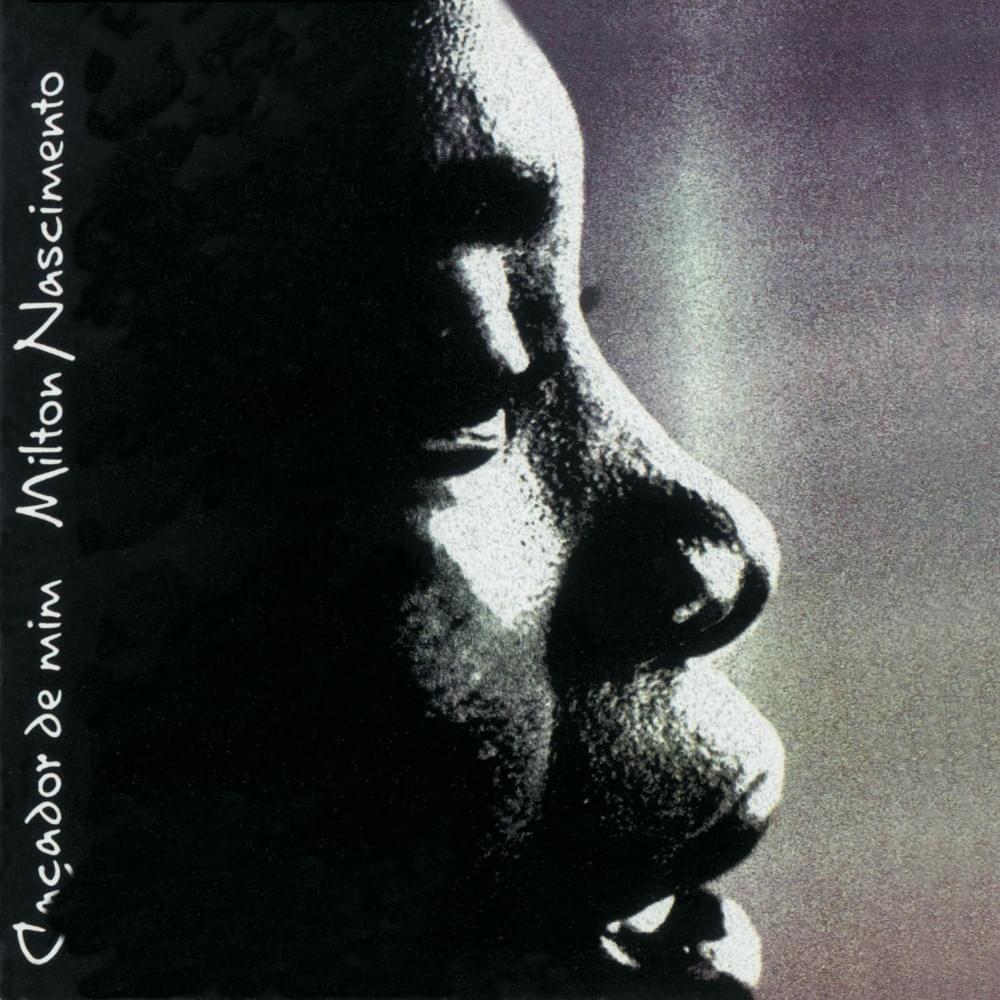
 View Artist