Song Meaning
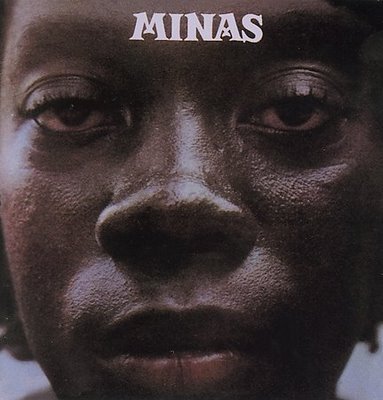
{"song_id": 11419875, "meaning": "Milton Nascimento's \"Ponta de Areia\" is more than just a song; it's a haunting elegy for a lost Brazil, a lament for progress that extracts a devastating human cost. The 'ponta de areia'—the literal 'sand point'—serves as both a geographical marker and a symbolic full stop. It's the end of the line for the Bahia-Minas railway, a vital artery connecting the mineral-rich state of Minas Gerais to the coast. Nascimento doesn't just describe its dismantling; he mourns its removal as a primal wound inflicted upon the nation's collective memory. The lyrics paint a stark contrast between a vibrant past and a desolate present, where the promise of industrial advancement rings hollow. The 'estrada natural'—the natural road—implies a harmonious connection between land, people, and industry, brutally severed by a cold, calculated act. The removal of the railway is not merely infrastructure; it's the uprooting of a culture.
The figure of the 'velho maquinista'—the old machinist—becomes a poignant symbol of this vanished world. His cap is not just a piece of uniform; it's a relic of a time when labor possessed dignity and purpose. He remembers the joy and courtship that the train facilitated, the social fabric woven together by its rhythmic passage. But now, the 'Maria-fumaça'—the steam train, affectionately nicknamed 'smoky Mary'—no longer sings its song of connection and possibility. The repetition of the chorus emphasizes the finality of this loss. The images of 'moças, flores, janelas e quintais' (girls, flowers, windows, and backyards) evoke a sense of idyllic domesticity, now silenced and overgrown.
The song's emotional core resides in the devastating aftermath. The 'praça vazia' (empty square) is not just a physical space; it's a metaphor for the void left in the community's heart. The 'grito, um ai' (a cry, an ouch) is a primal expression of pain and abandonment. Nascimento doesn't shy away from the stark reality of economic displacement and social decay. The 'casas esquecidas, viúvas nos portais' (forgotten houses, widows in doorways) are haunting reminders of lives upended and dreams deferred. \"Ponta de Areia\" becomes a powerful statement about the seductive allure of progress and the enduring importance of preserving cultural heritage against the relentless tide of modernization. It's a song that resonates with anyone who has witnessed the erosion of community in the name of advancement, leaving behind only echoes of what once was."}
 View Artist