Song Meaning
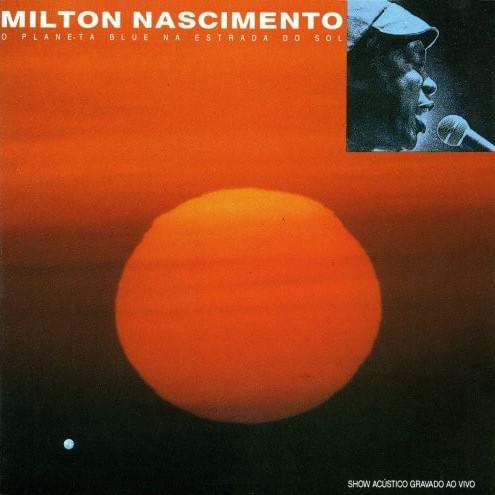
Milton Nascimento's "Estrada do Sol" shimmers with the quiet promise of renewal, a delicate post-storm landscape painted in sound. It’s not a boisterous celebration, but a hushed invitation to step forward, hand-in-hand, into the light. The lyrics, simple yet evocative, sketch a scene where the recent past – suggested by lingering raindrops – still reflects the emerging sun. This juxtaposition is key; it's not about denying past sorrows ("que chorei, que sofri"), but choosing to move beyond them, allowing the present moment, "a nossa manhã," to gently erase their sting. The "Estrada do Sol" (Road of the Sun) itself becomes a metaphor for this journey, a path forward illuminated by hope and companionship.
The central image of offering and accepting a hand ("Quero que você me dê a mão") speaks volumes. It represents trust, vulnerability, and a shared commitment to embracing the future. The implied destination isn't a specific place, but rather a state of being – a conscious decision to shed the weight of yesterday and find solace in the present. The repeated plea, "Me dê a mão vamos sair / Pra ver o sol," underscores the active nature of this choice. It requires participation, a willingness to connect with another and venture out into the world, even when the shadows of the past still linger.
Ultimately, the song meaning of "Estrada do Sol" resides in its understated optimism. It's a reminder that even after periods of darkness and difficulty, the possibility of a brighter tomorrow remains. The song avoids grandiose pronouncements, instead focusing on the intimate act of reaching out, of finding strength in connection, and of choosing to walk towards the sun, together. It’s an anthem for quiet resilience, a gentle push towards a future where shared experiences, both past and present, pave the way forward.
 View Artist