Song Meaning
Milton Nascimento's "Era Rei e Sou Escravo" isn't just a song; it's a gut-wrenching testament to the enduring human spirit under unimaginable duress. The lyrics, stark and direct, paint a portrait of a man stripped of his royalty and freedom, reduced to slavery. The opening lines, "Era rei e sou escravo. Era livre e sou mandado," serve as a chilling mantra, immediately establishing the brutal transformation inflicted upon the song's protagonist. The longing for his "terra firme, África de meus amores," his family, and his former life underscores the profound sense of loss and displacement experienced by those forcibly taken from their homes during the transatlantic slave trade. Nascimento doesn't shy away from the visceral realities of slavery, referencing the physical and emotional trauma inflicted upon the enslaved: "Me trouxeram para longe, amarrado na madeira, me bateram com chicote, me xingaram, me feriram."
However, "Era Rei e Sou Escravo" refuses to be solely defined by despair. It's a song about resilience, about the unyielding power of memory and cultural identity to transcend physical bondage. Even as he is carried across the seas, even as his body is scarred, the protagonist finds solace and strength in the memories of his homeland: "A memória vem e salva, a memória vem e guarda, guarda o cheiro da minha terra, a música do meu povo." This act of remembering becomes an act of resistance, a refusal to let the trauma of slavery erase his past and his sense of self. The "música do meu povo" is not merely a nostalgic echo; it's a living force, a source of connection and continuity that defies the dehumanizing forces of oppression.
Ultimately, the song's power lies in its paradoxical assertion of both subjugation and liberation. The final lines, "Aonde estiver o porto, por mais que eu sofra e grite, sou mandado, serei livre, sou escravo, serei rei," encapsulate this duality. Even in the depths of suffering, the protagonist declares his inherent freedom and royalty. This isn't a naive denial of his enslaved condition, but rather a profound affirmation of his inner strength and the enduring legacy of his heritage. The song meaning, therefore, resonates far beyond its historical context, serving as a powerful reminder that even in the face of unimaginable adversity, the human spirit can find ways to reclaim its dignity and assert its inherent worth.
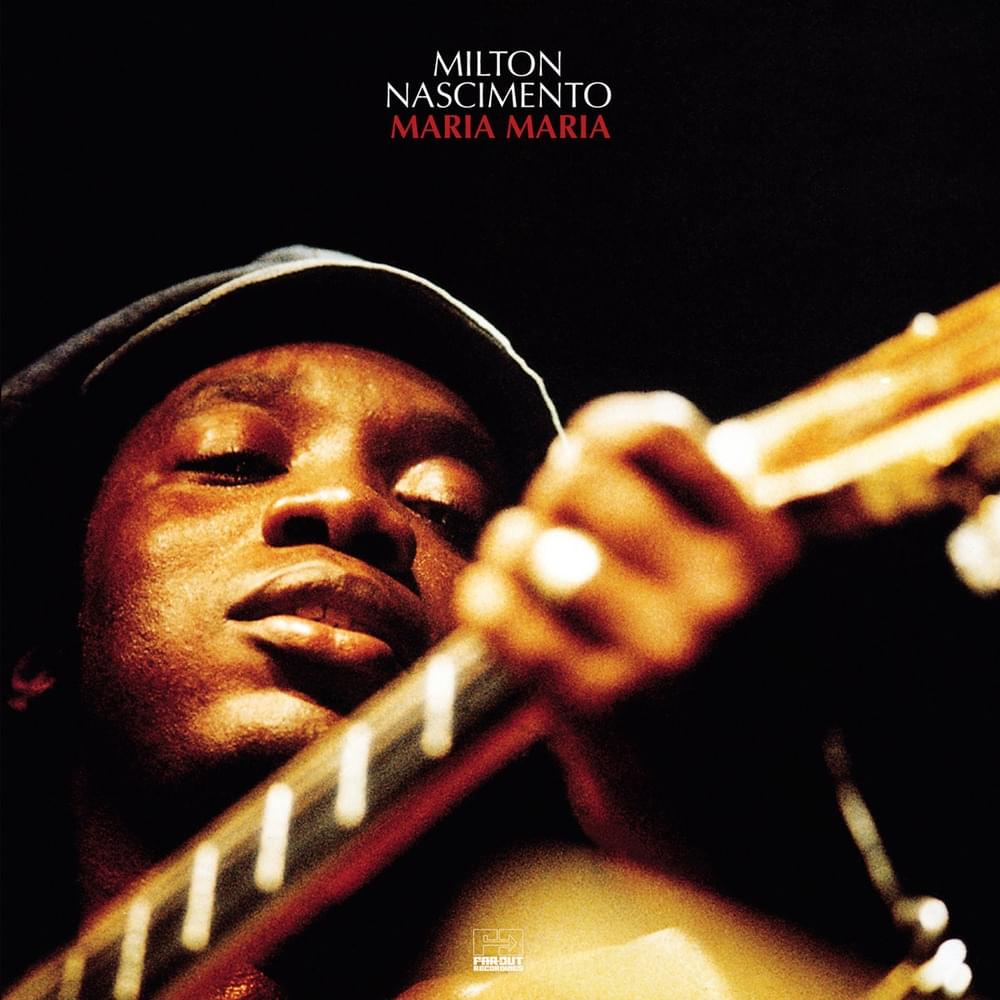
 View Artist