Song Meaning
{"song_id": 11425102, "meaning": "Milton Nascimento's \"E Dai?\" is less a song than a visceral scream against existential and societal burdens. The core of the song meaning resides in its defiant, almost nihilistic central question: \"E dai?\"—So what? Or, what of it? It's a rhetorical shrug in the face of overwhelming despair, a refusal to be crushed by the weight of history and personal suffering. The lyrics paint a vivid, often grotesque, picture of inner turmoil. Images like \"intestinos roucos num rosário de lombrigas\" (hoarse intestines in a rosary of worms) and \"sangue de mangue sujo\" (dirty mangrove blood) evoke a sense of decay and corruption, both internal and external. Nascimento isn't just lamenting personal woes; he's grappling with the legacy of oppression, the grit and grime of a lived experience marinated in struggle. He acknowledges the \"gritos afro-latidos\" (Afro-Latin cries) that tear through him, hints at a cultural and historical pain resonating deep within his being. This pain isn't abstract; it’s embedded in his very flesh, a constant, gnawing presence. Yet, even amidst this bleak landscape, there's a flicker of defiance.
The \"E Dai?\" refrain isn't passive resignation; it's an active confrontation. It's a refusal to grant power to the forces that seek to diminish him. The lines about fine wines and delicacies juxtaposed with the pervasive pain suggest a critique of societal structures, the hollow promises of comfort and luxury that fail to mask the underlying rot. Even the speaker’s hatred, he declares, is not rotten, perhaps suggesting that it is a righteous response to the injustices he faces. The repetition of \"Tenho nos olhos quimeras / Com brilho de trinta velas\" (I have chimeras in my eyes / With the brightness of thirty candles) at the beginning and end adds a cyclical quality, implying that this struggle is ongoing, perhaps even eternal.
Ultimately, the lyrics analysis of \"E Dai?\" reveals a profound exploration of resilience in the face of adversity. It's about finding a way to endure, to maintain a sense of self, even when surrounded by decay and injustice. The song's power lies not in offering solutions or platitudes, but in its raw, unflinching honesty and its defiant embrace of the question \"E Dai?\" It is a blues for the soul, a testament to the enduring human spirit that refuses to be silenced, even as it acknowledges the darkness that surrounds it."}
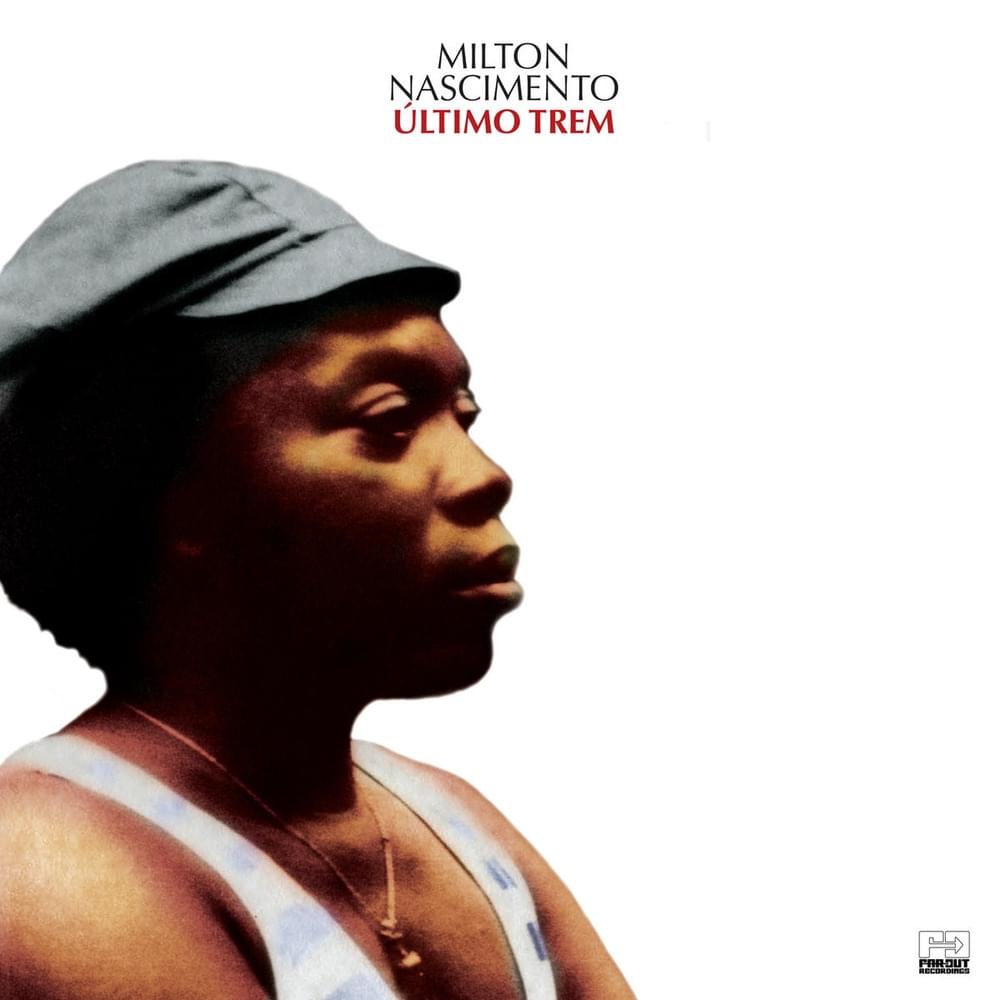
 View Artist