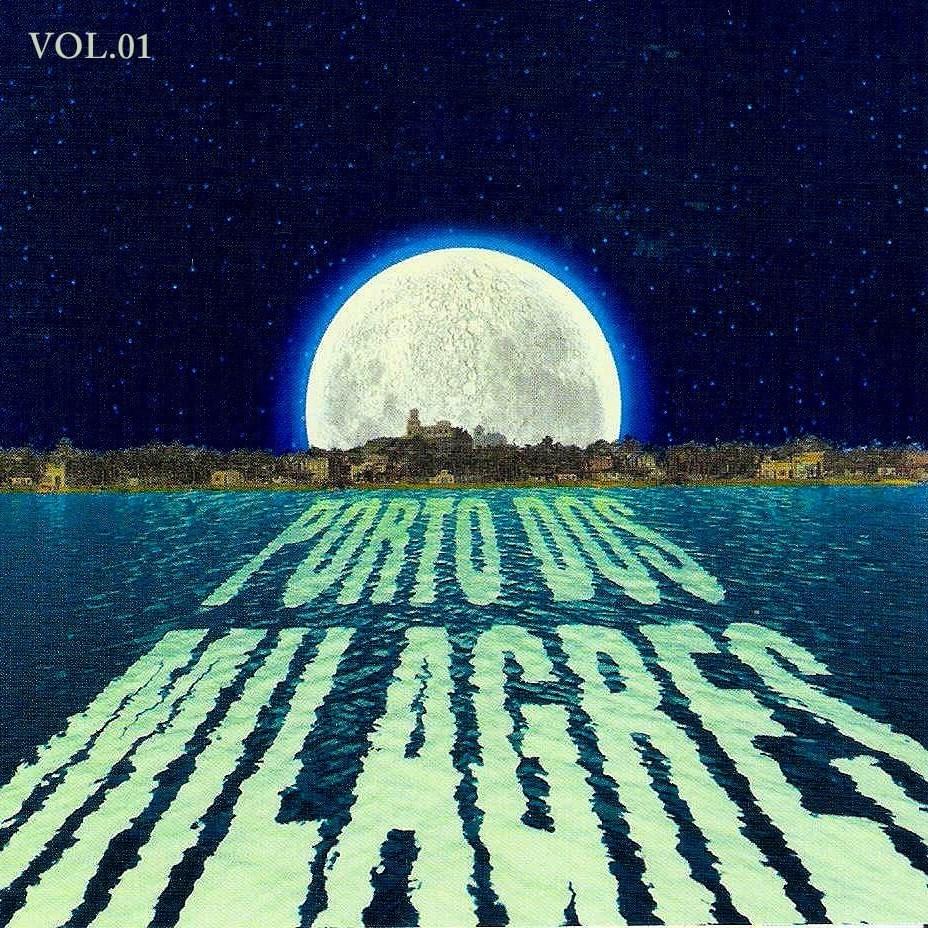
Song Meaning
The lyrics paint a vivid picture of a "Capitão do mar" (Captain of the sea), a man deeply connected to the ocean, loving it like a brother. This initial image establishes a profound, almost familial bond between the man and the sea. The repetition of "Capitão do mar" and "Homem tão do mar" grounds the listener in this central figure and his elemental world.
The core of the song seems to be about absence and longing, specifically the sea's longing for the captain's return. The lyrics personify the sea, stating "Lembres que o mar também tem coração" (Remember the sea also has a heart) and later, "O mar triste e só / Depois do dia em que tu partistes" (The sea sad and alone / After the day you left). This creates a poignant emotional tension: the captain has departed, leaving the sea in a state of melancholy and isolation.
A striking element is the transformation and renewal suggested by "Nova embarcação / Nova encarnação / Nova canção, novo amor, novo cais" (New vessel / New incarnation / New song, new love, new quay). This implies a cyclical nature, perhaps a reincarnation or a new phase for both the captain and his relationship with the sea. The "nórdico mar" and "Mar dinamarquês" (Nordic sea, Danish sea) specifically call him back, promising new experiences and a welcoming port, tying the longing to a particular, evocative geography.
Ultimately, the lyrics resonate because they transform a literal maritime setting into a metaphor for deep, enduring connection and the ache of separation. The sea itself becomes a character, reflecting the human experience of missing someone profoundly. The final lines, "O mar e nós / Amigos fiéis / Amigos leais" (The sea and us / Faithful friends / Loyal friends), solidify this enduring bond, suggesting a patient, unwavering wait for the captain's return to a world that cherishes him.