Song Meaning
The narrator, addressing their sister, expresses a strong desire to leave for the Caicó sertão. This departure isn't casual; it's a solitary journey, emphasized by the repeated "Ó, mana, deixa eu ir" and "eu vou só." The immediate emotional landscape is one of both longing and apprehension, tinged with a specific, almost childlike fear of "mestre Zé Mariano."
The lyrics weave a subtle tension between outward resolve and inner vulnerability. While the narrator insists on going, the mention of "uma aliança no dedo" and the fear of acompanying fear suggest a personal history or a significant relationship that makes this journey fraught with emotional weight. The fear isn't of the sertão itself, but of a particular person, hinting at a complex personal drama unfolding.
The imagery shifts to Mariazinha, who is preparing for a wedding, symbolized by "vestido branco, véu e flores." This contrasts sharply with the narrator's solitary, fear-laden departure. The juxtaposition suggests different paths or fates, perhaps highlighting the narrator's own anxieties about commitment or the future, framed against a traditional symbol of union and happiness.
This piece resonates through its direct, almost confessional tone and the specific, grounding details. The fear of Mestre Zé Mariano, the wedding preparations, and the simple plea to a sister create a vivid, intimate portrait of someone on the cusp of a significant, perhaps difficult, personal transition.
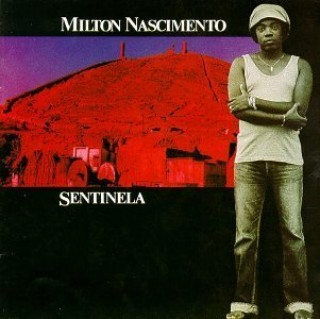
 View Artist