Song Meaning
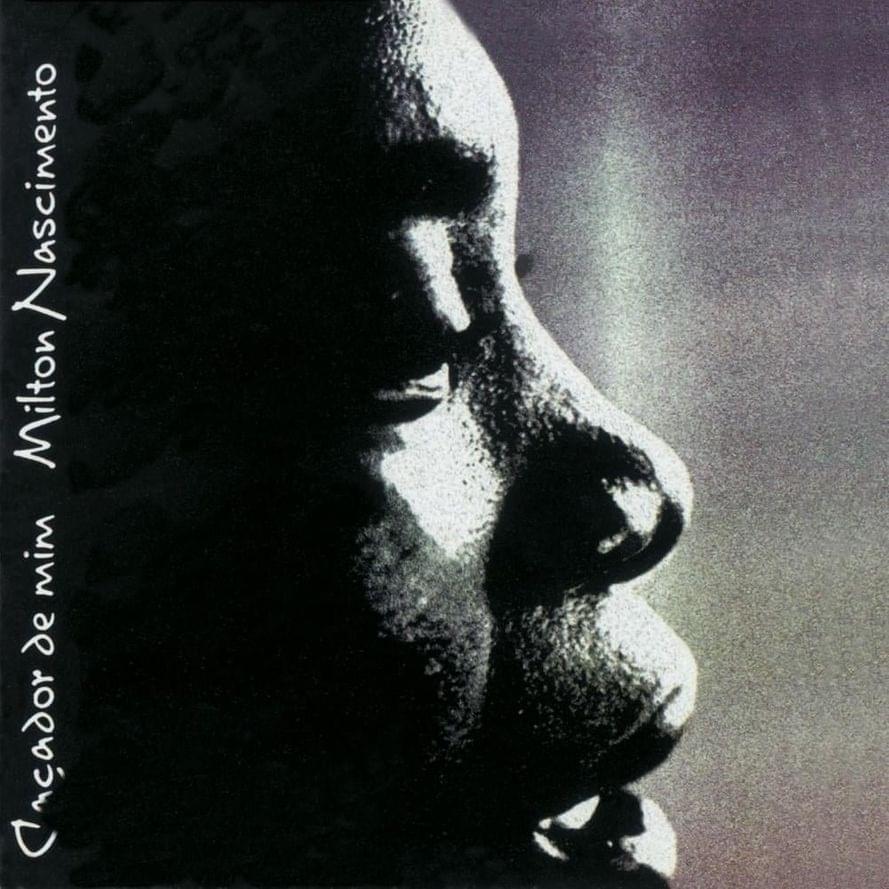
Milton Nascimento's "Caçador de mim"—the title translating to "Hunter of Myself"—isn't just a song; it's an anthem of self-discovery, a raw and vulnerable excavation of the soul. Nascimento, a titan of Brazilian music, lays bare the internal quest for identity, a search driven by love, passion, and the inevitable pains of existence. The opening lines, "Por tanto amor, por tanta emoção, a vida me fez assim" (For so much love, for so much emotion, life made me like this), immediately establish the profound influence of lived experience on shaping the self. It's a declaration of acceptance, an acknowledgement that the tapestry of joy and sorrow has woven the individual into being. But acceptance isn't passive; it's the launchpad for a deeper dive.
The recurring phrase "Eu, caçador de mim" (I, hunter of myself) serves as the song's central thesis. This isn't mere introspection; it's an active pursuit, a relentless tracking of the elusive "self" through the wilderness of the psyche. The lyrics hint at the inherent dangers of this quest: the "armadilhas da mata escura" (traps of the dark forest) representing the pitfalls of self-doubt, fear, and the shadows of the past. Yet, there's an unwavering determination to confront these obstacles, to "esquecer o medo" (forget the fear) and push forward, driven by an insatiable need to understand what truly makes him feel alive.
"Caçador de mim" resonates because it taps into a universal human experience: the lifelong journey of becoming. The song acknowledges the inherent contradictions within us—the "doce ou atroz, manso ou feroz" (sweet or atrocious, gentle or ferocious)—suggesting that true self-discovery lies not in resolving these contradictions, but in embracing them as integral parts of the whole. The act of hunting oneself, as portrayed in Nascimento's lyrics, is a courageous act of vulnerability, a willingness to confront the unknown depths of one's own being. It's a reminder that the most profound discoveries are often found "longe do meu lugar" (far from my place), urging us to venture beyond the familiar and into the uncharted territories of the self.
 View Artist