Song Meaning
Milton Nascimento's "Oreo" isn't a confectionary ode, but a deeper dive into the anxieties of intimacy, shrouded in the smoky atmosphere of Brazilian longing. The song's title, seemingly random, may allude to a desire to be seen as 'whole' or 'authentic' amidst perceived accusations of infidelity or past transgressions. Nascimento delicately paints a scene of romantic tension: a late arrival, a lover's wounded reaction, and the lingering specter of the past. The lyrics hint at a recurring argument, the lover’s accusation that "pecado mora ao lado" (sin lives next door), suggesting a deep-seated insecurity and fear of betrayal. Nascimento, however, pleads for understanding, promising to one day explain things fully, to "te pego de jeito" – a phrase implying both a forceful explanation and a passionate embrace.
The core of "Oreo" rests on the repeated assertion of exclusivity: "Eu só faço com você! Só quero com você! Só gosto com você!" (I only do it with you! I only want it with you! I only like it with you!). This insistent refrain serves as both a reassurance and a defense. It's a desperate attempt to rebuild trust, to convince his lover (and perhaps himself) that the connection they share is unique and irreplaceable. The unanswered "Adivinha o quê?" (Guess what?) that punctuates each declaration adds a layer of playful intimacy, a reminder of the shared secrets and unspoken understandings that bind them together.
Ultimately, the song meaning of "Oreo" is a study in the fragility of relationships. It acknowledges the ever-present threat of past mistakes and external temptations, but also celebrates the power of commitment and the unique bond that can exist between two people. The 'oreo' becomes symbolic for the layered nature of relationships; the dark past and the sweet present that need to be seen together to appreciate the whole. Through its melancholic melody and heartfelt lyrics, Milton Nascimento captures the push-and-pull of love, the constant negotiation between doubt and devotion.
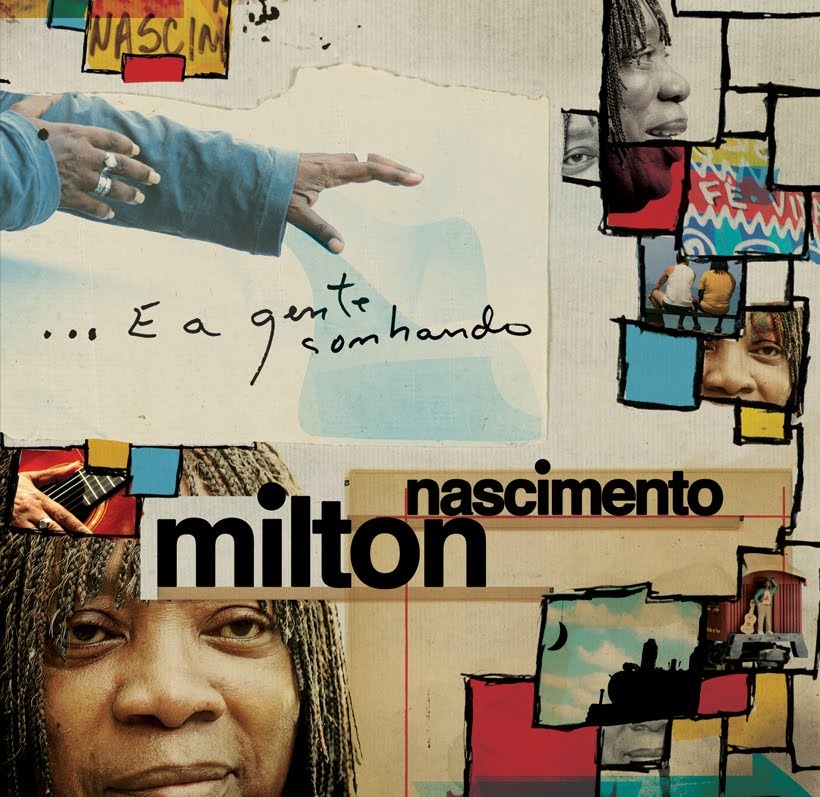
 View Artist