Song Meaning
The lyrics paint a picture of someone hurrying across a bridge at 8 PM after a long day, the darkness having arrived right on time. Their steps are heavy, but they're picking up the pace, driven by a promise made that morning: a date for the evening. This urgency isn't just about getting to a meeting; it's fueled by a deep-seated need for connection and reassurance.
The central tension lies in the narrator's plea for commitment, juxtaposed against the fleeting nature of time and the uncertainty of the future. Phrases like "Aikaa on vielä jäljellä" (There is still time left) and "Tahdon käyttää sen sun vierellä" (I want to spend it by your side) reveal a desire to maximize the present moment with a loved one. This is immediately followed by anxious questions: "Onks meil loppuelämä?" (Do we have a lifetime?) and "Pysytkö mun lähellä?" (Will you stay near me?), highlighting a profound fear of loss and a desperate need for a promise.
The most striking aspect is the stark contrast between the external world and the narrator's internal state. While walking on a "Tuulisella kadulla" (windy street) with "tuhansia varjoja" (thousands of shadows), carrying flowers found along the way, the narrator's focus is entirely inward, fixated on the singular importance of the person they are meeting. The declaration "Tiedän, ilman sinua, ei ole minua" (I know, without you, I am not me) elevates this person from a romantic interest to an existential anchor.
This lyrical construction is effective because it grounds abstract anxieties in concrete imagery and a relatable scenario. The simple act of walking towards someone after work, with a small gift, becomes a high-stakes moment charged with the weight of potential permanence or devastating absence. The repeated refrain of "Aikaa on vielä jäljellä" acts as both a hopeful mantra and a desperate bargaining chip, emphasizing the preciousness of the time they have and the intense desire to make it last forever.
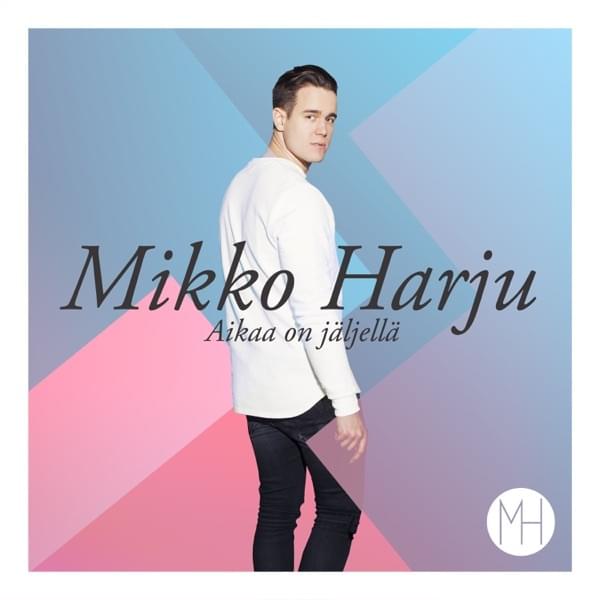
 View Artist