Song Meaning
The lyrics paint a stark picture of isolation and despair. The opening lines immediately establish a sense of being lost and alone, with "Pelkäät elää pimeässä" (You fear living in darkness) and "Jäit yksin eksyksiin" (You were left alone, lost). This feeling is amplified by the bleak assessment that "Kaiken jälkeen ei oo ketään / Kehen oikein luottaisit" (After everything, there's no one you can really trust). The narrator acknowledges a desperate plea for help, "Pyynnön tuu mua auttamaan" (A request, come help me), but the overwhelming sense is that "Huominen on liian kaukana" (Tomorrow is too far away).
The core tension arises from this profound loneliness against the promise of presence. The repeated refrain, "Tuun sun luo kun oot pimeässä / Tuun sun luo läpi helvetin" (I'll come to you when you're in darkness / I'll come to you through hell), acts as a powerful counterpoint to the despair. It suggests a commitment to be there, even in the most dire circumstances, directly addressing the fear of being alone. This promise offers a glimmer of hope amidst the darkness, asserting "sä et oo yksin" (you are not alone).
The lyrics employ a striking contrast between the overwhelming negativity of the world and the unwavering support offered. Phrases like "Jokaisella oma taakka / On kai kannettavanaan" (Everyone has their own burden to carry) and the acknowledgment of terrible stories "Joita en haluis uskoa" (That I wouldn't want to believe) highlight the pervasive suffering. Yet, the narrator insists on standing "loppuun asti valon puolella" (until the end, on the side of light), a deliberate choice to face the darkness with solidarity rather than succumbing to it.
This song resonates because it directly confronts feelings of abandonment and the weight of the world, offering a concrete, repeated promise of companionship. The simple, declarative act of coming to someone "when you're in darkness" cuts through the abstract despair. It’s the unwavering repetition of "Tuun sun luo" (I'll come to you) that provides the emotional anchor, suggesting that even when everything else feels lost, there is a steadfast presence to be found.
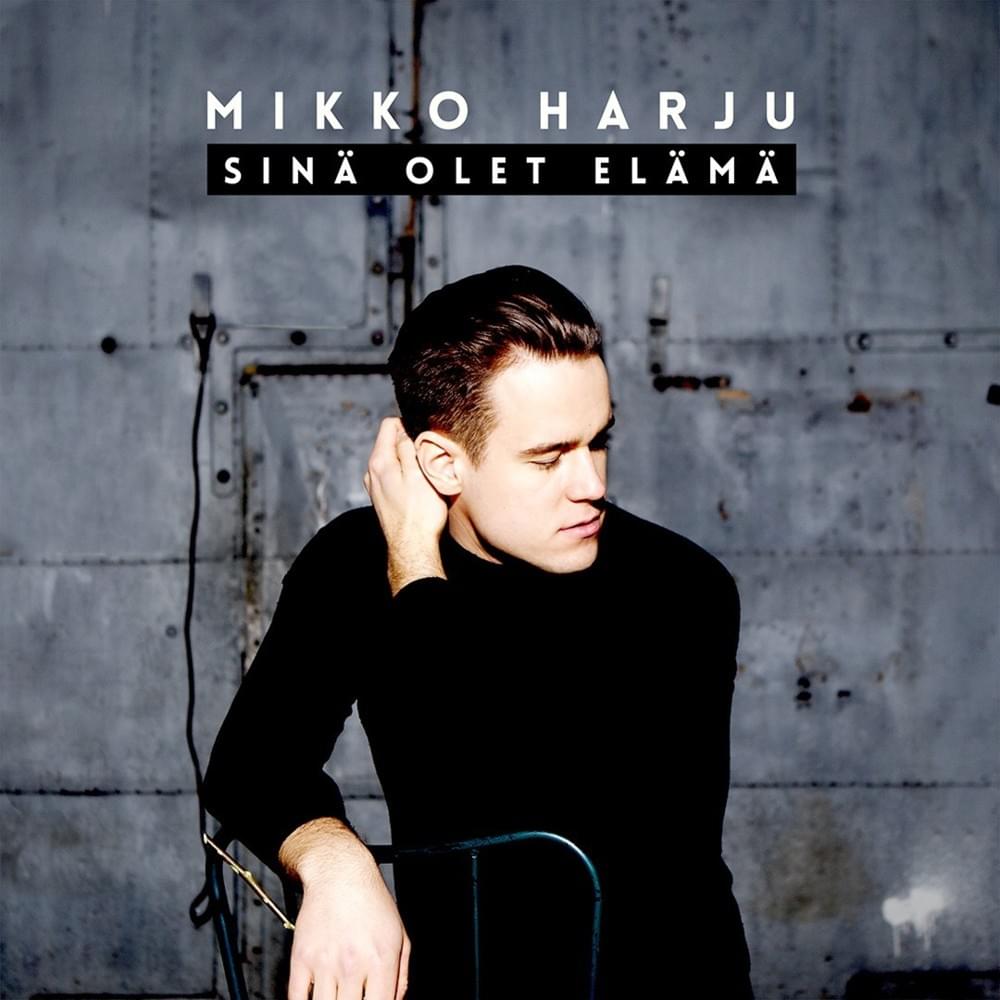
 View Artist