Song Meaning
The lyrics paint a picture of profound emotional detachment, where the narrator encounters various individuals and situations, only to label them all as a "wonderful disguise." This phrase, repeated relentlessly, suggests a world where true feelings or realities are hidden beneath a surface presentation. The initial scene of watching a sleeping lover and weeping, followed by the declaration that her face is a "wonderful disguise," sets a tone of sorrow and perhaps a desperate attempt to rationalize or cope with an unspoken pain. It implies the lover's outward appearance, or perhaps her very state of being, masks something deeper that causes the narrator to weep.
The narrator's gaze then shifts outward, encountering strangers in mundane settings: a driver in traffic, a blind man, a woman in a queue, and even the President on the news. Each encounter, regardless of the person's apparent state or circumstance – from the blind man to the drunk man screaming – is met with the same conclusion: "it was a wonderful disguise." This pervasive observation suggests the narrator perceives a universal hiddenness, a sense that everyone and everything is concealing their true nature or suffering behind a facade. The repetition of the phrase hammers home this theme of pervasive deception, whether intentional or not.
The most striking element is the narrator's self-reflection in the mirror, examining their own face and declaring it a "wonderful disguise." This final act turns the concept inward, revealing the narrator's own participation in this hiddenness. It suggests a deep-seated internal conflict, where the narrator feels the need to mask their own true self, perhaps out of shame, pain, or a learned behavior from observing the world. The lyrics don't offer a clear reason for this pervasive sense of disguise, but the consistent application across intimate moments, public encounters, and self-examination creates a powerful, melancholic portrait of emotional isolation and the human tendency to conceal vulnerability.
This lyrical approach is effective because it uses a simple, repeated phrase to explore complex themes of hidden emotion, self-deception, and the perceived inauthenticity of the world. The contrast between the narrator's internal weeping and the external observations, all categorized under the same enigmatic label, creates a disquieting mood. The final turn inward, where the narrator sees themselves as part of the disguise, is particularly poignant, suggesting that the search for authenticity might begin with confronting one's own hidden self.
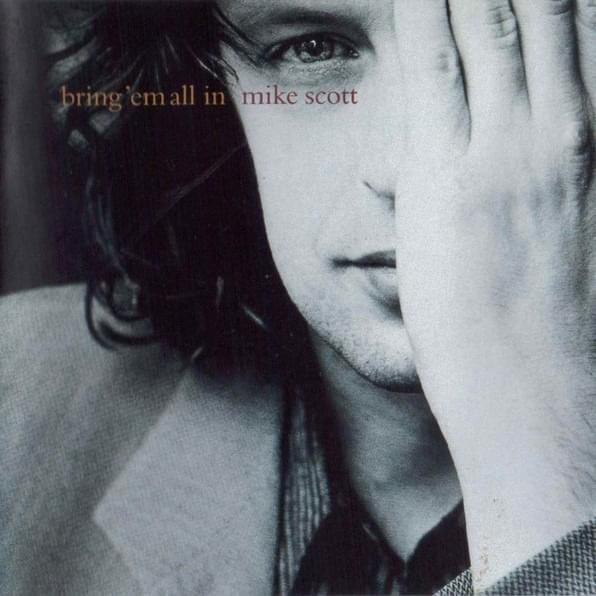
 View Artist