Song Meaning
The lyrics drop us into a scene of high-stakes conflict, where the narrator stands poised to strike down a king. A mysterious "man on the mountain" offers cryptic advice about choice, suggesting all paths lead to a predetermined "right one." This immediate tension is amplified by the narrator's self-identification with the legendary betrayer, Mordred.
The core tension here lies in the paradox of choice. The repeated refrain, "Whichever you choose / Will be the right one," could be liberating or deeply unsettling. It implies a world where individual agency is either absolute or entirely illusory, where even a destructive act like striking "the High King's throat" might be part of a larger, unavoidable design.
The genius of these lyrics is the swift, impactful mythological allusion. By stating "I was feeling like Mordred / When he struck the last blow," the song instantly conjures a narrative of betrayal, regicide, and tragic consequence without needing to elaborate. This powerful shorthand immediately imbues the narrator's actions with a sense of epic, fated doom, even as the King himself "begged for no mercy / But sang as he spoke," adding a layer of unsettling dignity to the victim.
The lyrics effectively build a sense of inescapable destiny and moral ambiguity. The shift from the personal act of violence to the chilling image of "Twelve crooked jurors / Snuck in for the kill" suggests that the narrator's specific betrayal might be mirrored or even orchestrated by a larger, corrupt system. This blend of personal drama and systemic injustice, all framed by the enigmatic advice from the mountain, leaves the listener grappling with the nature of fate and responsibility.
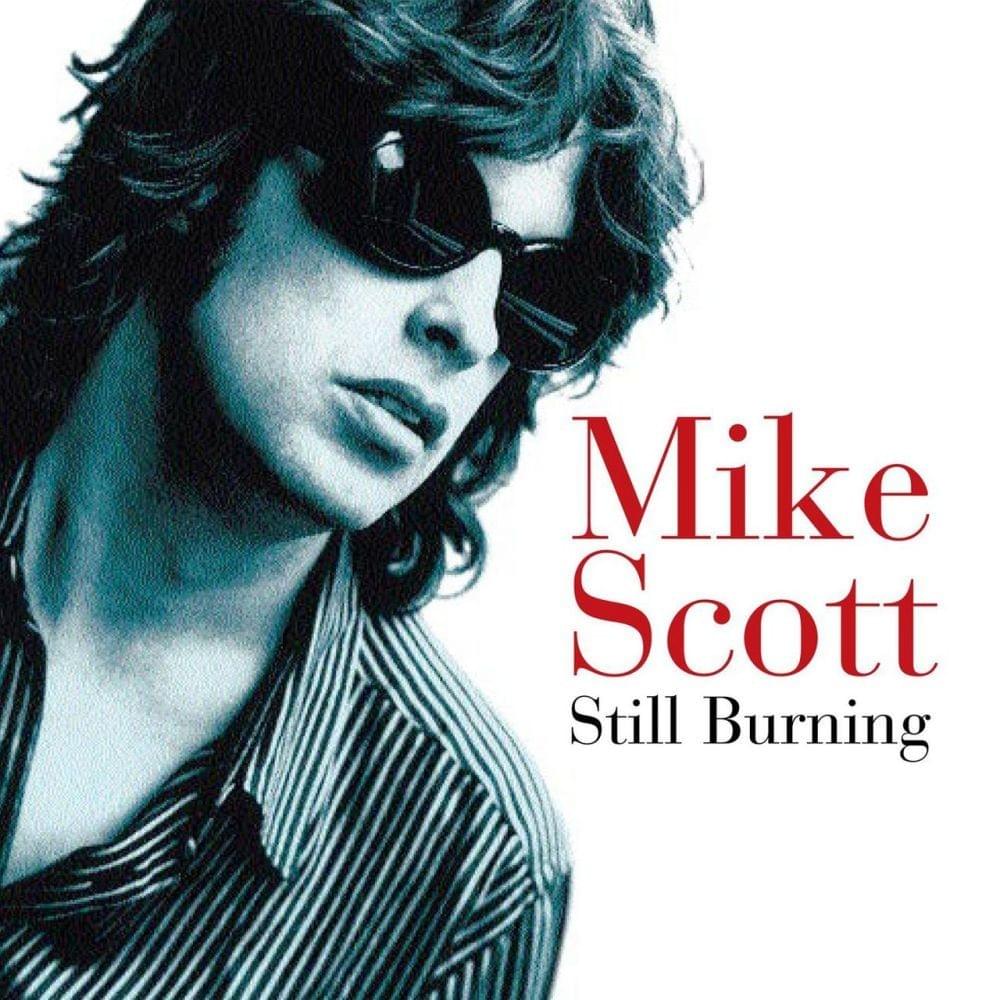
 View Artist