Song Meaning
The lyrics present a stark, almost defiant self-declaration of inherent sinfulness, stemming from a unique upbringing. The narrator states, "I was raised in another way," immediately setting up a contrast with conventional morality. This alternative upbringing apparently fostered a mindset where "No shame we just take away," suggesting a rejection of guilt and a proactive, perhaps aggressive, approach to life. The overwhelming repetition of "I'm all sin" functions as a mantra, a total embrace of this identity.
The central tension lies in the juxtaposition of this self-professed sin with a chillingly detached assertion of power. Lines like "Weak in face we can fade no play" and "Seeing straight. Lives we'll take away" paint a picture of ruthless pragmatism. It's not just about feeling sinful; it's about acting on it with a directness that bypasses conventional hesitation or remorse. This suggests a worldview where morality is irrelevant, and action, even destructive action, is the primary mode of existence.
The most striking aspect of the craft is the relentless, almost hypnotic repetition of "I'm all sin." This isn't a confession seeking absolution; it's an affirmation, a complete absorption of the label. The phrase "take away" is used twice, first in relation to shame and then in relation to lives, creating a disturbing parallel. It implies that the absence of shame is directly linked to the capacity for taking lives, a grim consequence of their upbringing.
This lyrical approach is effective because it creates an unsettlingly direct and unvarnished portrait of a character. There's no ambiguity, no plea for understanding, just a blunt statement of being. The lack of complex metaphor or narrative allows the sheer force of the declaration and the implied actions to dominate, leaving the listener with a potent, uncomfortable impression of a life lived entirely outside conventional moral boundaries.
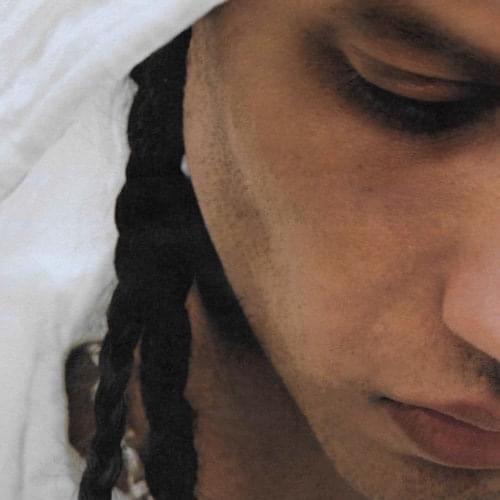
 View Artist