Song Meaning
The lyrics paint a stark picture of a group or individual on the fringes, drawn back into a destructive cycle. The opening lines immediately establish a sense of being outside societal norms, with "the law doesn't talk to us." This outsider status is framed by a recurring, almost fatalistic pull: "Back like the scorched moth / Into the light again." It suggests a repeated, perhaps inevitable, return to a dangerous or consuming force.
The central tension lies in this cyclical return, driven by a perceived lack of alternatives. The phrase "War is our only friend" is a brutal distillation of this. It implies that conflict and struggle are not just present, but are the primary, perhaps only, source of connection or purpose for this group. The idea that they "Fall from the hand of God" and are "part of plan and plot" further reinforces a feeling of external control or predetermined destiny, making their return to this harsh reality seem unavoidable.
The most striking aspect is the imagery of the "scorched moth." This isn't just about attraction to light; it's about attraction to a light that has already caused harm, leading to destruction. The lyrics then pivot to a forced assimilation: "Brush off the prayer shawl dust / Learn how to talk like us." This suggests a shedding of old identity or faith to conform to a new, potentially corrupting, social order. The instruction to "Do as they'd unto you" twists the golden rule into a directive for reciprocal harm, highlighting the grim logic of their environment.
This writing is effective because it uses sharp, almost brutal, contrasts to convey a sense of grim inevitability. The juxtaposition of divine abandonment ("hand of God") with calculated manipulation ("plan and plot"), and the transformation of friendship into war, creates a powerful emotional resonance. The recurring image of the moth, drawn to a destructive light, perfectly captures the self-destructive impulse that defines the narrator's world, making the cycle feel both tragic and chillingly real.
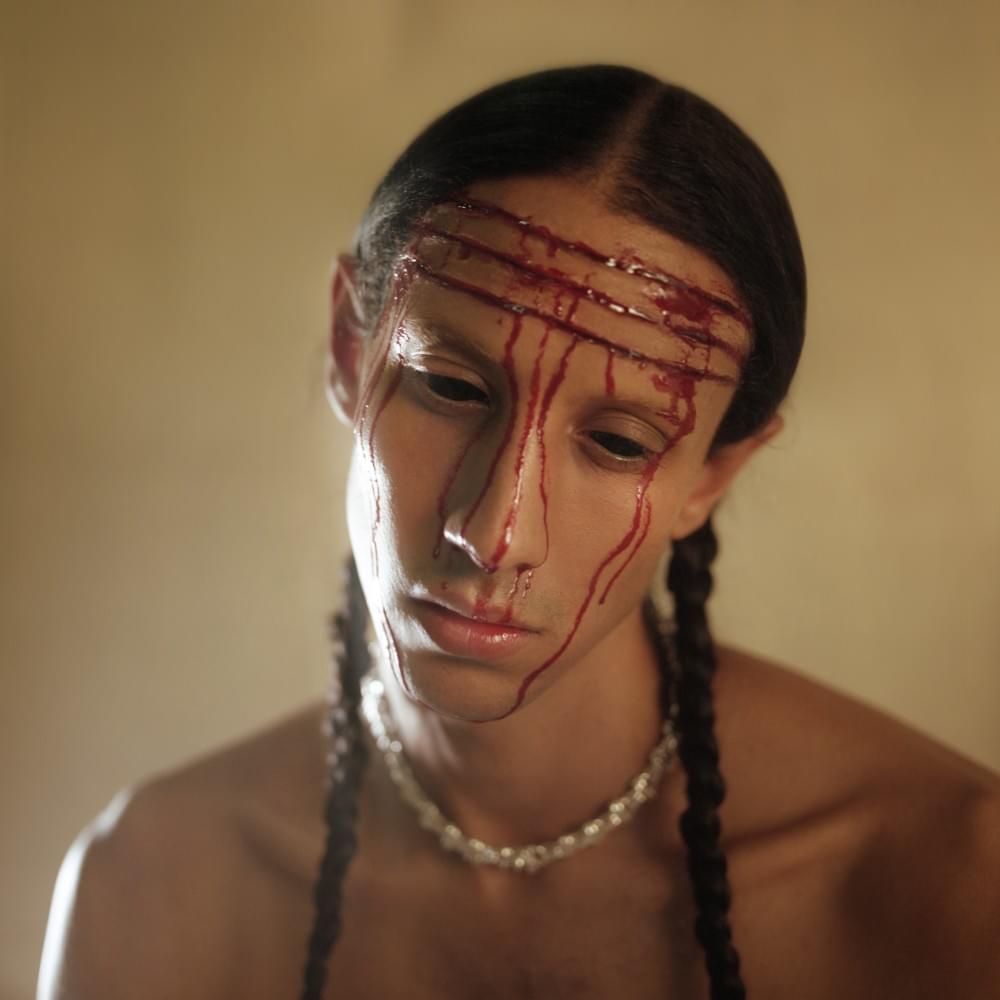
 View Artist