Song Meaning
The lyrics paint a vivid picture of a shared dream, a promised paradise that felt tantalizingly close. The narrator recalls being shown "pictures of paradise" and holding "tickets in your right hand," creating a palpable sense of impending arrival at a perfect place. This initial belief, fueled by laughter and play that mirrored "summer days," suggests a period of intense hope and shared aspiration, where "heaven wasn't so far away."
The central tension lies in the stark contrast between the intense, almost ecstatic experience and its ultimate failure to manifest a lasting utopia. The chorus, with its imagery of a "sun did shine" and "fire burned bright behind our hungry eyes," captures the passionate pursuit of "fantasy lives." Yet, this fervent striving is immediately undercut by the melancholic refrain, "But after all, still no Shangri-la," highlighting the persistent gap between the ideal and the reality, even in the face of profound connection.
The writing masterfully uses evocative imagery to convey the depth of the experience and the lingering disappointment. Phrases like "golden glow on the shores of Canaan Land" and the idea of flying "way so high we could hear the angels sing" elevate the relationship to a spiritual, almost divine level. Despite the eventual collapse, the narrator's declaration, "Even now after it all came down / I still wouldn't change a thing," reveals a complex emotional landscape where the memory of the intense, albeit fleeting, connection holds immense value, even without achieving the ultimate promised land.
This emotional resonance stems from the lyrics' honest portrayal of human longing and the bittersweet nature of cherished memories. The narrator grapples with the "why" of the separation, oscillating between acceptance and confusion, as seen in "Sometimes I think it's all right, sometimes I still wonder why." The repeated acknowledgment of missing the person, juxtaposed with the hopeful assertion that "it's gonna be all right," encapsulates the enduring impact of the shared dream, even as the narrator accepts that their "Shangri-la" remains elusive.
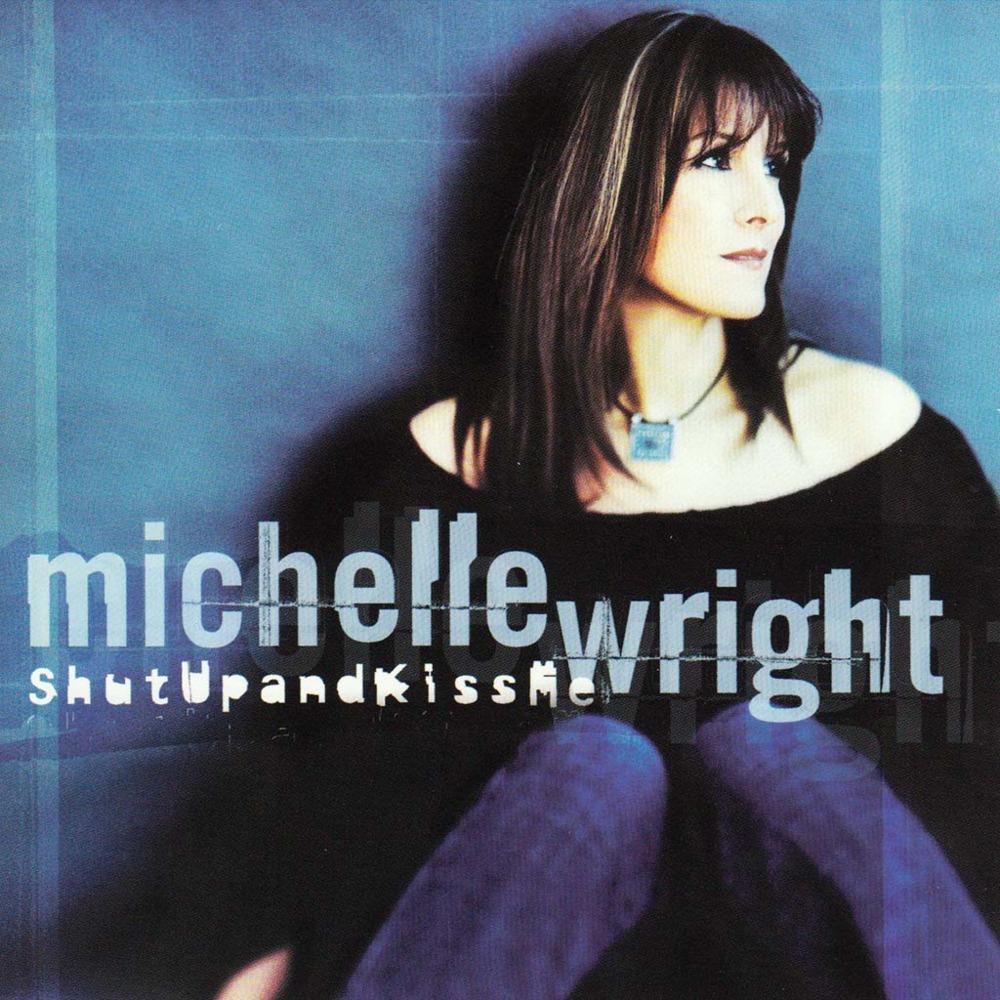
 View Artist