Song Meaning
The lyrics paint a picture of lingering regret and a persistent, spectral presence of a past relationship. The narrator's heart is "haunted by things we never said," suggesting a deep well of unspoken emotions and unresolved issues that continue to plague them. There's a palpable sense of loss, a "distant craving" they can't shake, and a questioning of their own direction: "Am I drifting endlessly?" This sets a tone of melancholic introspection, where the past refuses to stay buried.
The central tension lies in the narrator's struggle to move on while simultaneously feeling the indelible mark of the past. The repeated plea, "I hear you, can you hear me," underscores a desperate desire for connection or acknowledgment, even if it's only in their own mind. The core of this struggle culminates in the repeated, almost desperate, utterance of "I'm so sorry." This apology feels directed not just at the other person, but perhaps also at themselves for what went wrong or what was left unsaid.
The craft here is in the evocative imagery of memory and presence. Phrases like "thoughts are stained with the faded words of a valentine" create a vivid, almost tactile sense of memory's decay and persistence. The contrast between the "once upon a time" and the current state of "haunted" and "stained" highlights the emotional distance traveled. The narrator grapples with a past "love that was you and me" versus a present where that connection is "missing it's more than I thought it would be."
What makes these lyrics resonate is their raw portrayal of post-breakup introspection. The narrator isn't just sad; they are actively processing their mistakes, admitting "where I went wrong" and finding the courage to articulate it, even if only in song. The repeated chorus acts as a mantra of regret, a plea for absolution that feels both personal and universally understood by anyone who has grappled with the ghosts of a lost love.
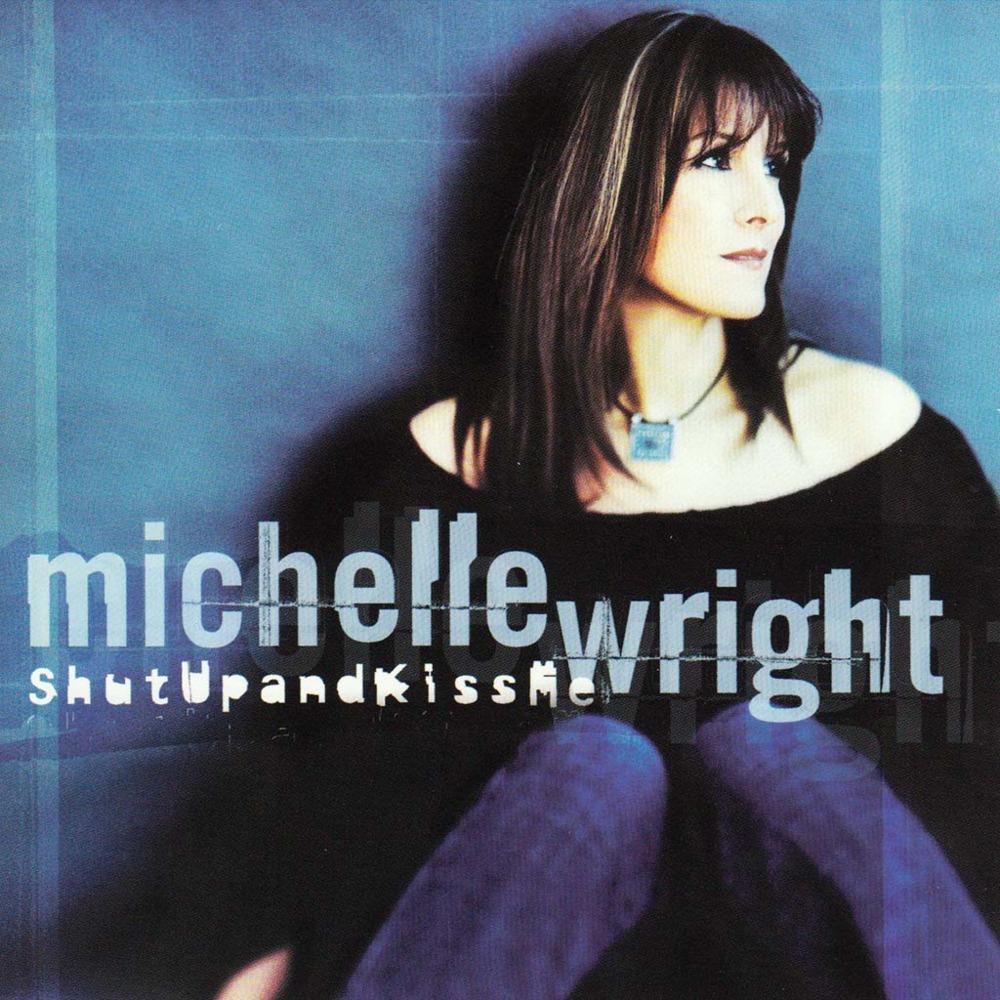
 View Artist