Song Meaning
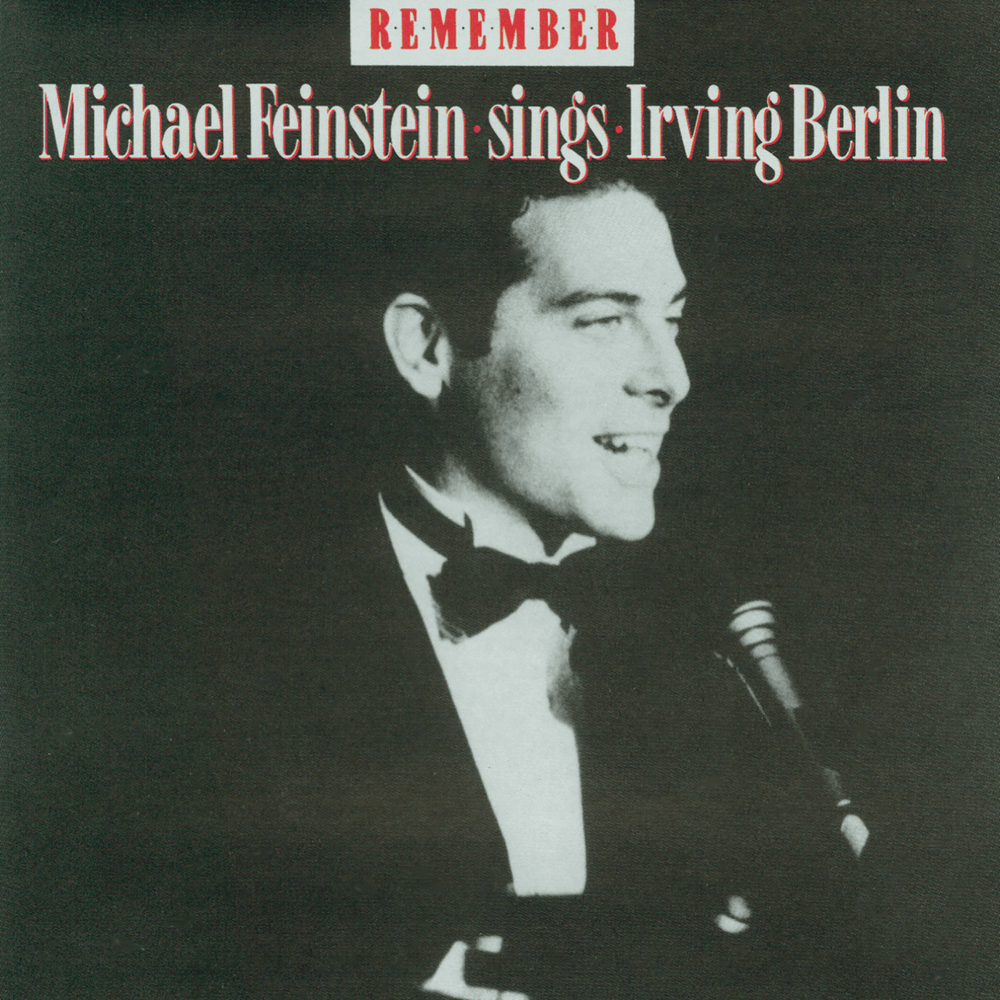
Michael Feinstein's rendition of "What Chance Have I With Love?" isn't just a song; it's a wry, self-deprecating lament steeped in historical and literary anxieties. The track presents love not as a soaring, redemptive force, but as a potentially ruinous gamble, especially for the unassuming everyman. Feinstein isn't just singing about personal inadequacy; he's positioning himself against a backdrop of legendary figures undone by love's capricious nature. The song meaning emerges from this contrast between the grand scale of historical tragedy and the perceived vulnerability of the average person.
The lyrics cleverly employ a litany of love's casualties—Antony, Romeo, Samson, Bonaparte—as cautionary tales. These figures, iconic in their own right, were brought low, not by armies or fate, but by the intoxicating power of love. The rhetorical question, "What chance have I with love?" isn't merely a plea for sympathy; it's a darkly humorous acknowledgement of love's potential to dismantle even the mightiest among us. The implication is clear: if love can fell empires and heroes, what hope does an "ordinary guy" have against its force?
The genius of the song lies in its blend of sophisticated wit and underlying vulnerability. It acknowledges the allure of love while simultaneously highlighting its inherent dangers. The final verse, particularly the lines about Bonaparte losing his head and the singer identifying as an "ordinary guy", underscores the song's central theme: love is a powerful, often destructive force, and perhaps the best defense is a healthy dose of skepticism and self-awareness. Feinstein delivers this message with a knowing wink, suggesting that while love may be a fool's game, it's a game that continues to captivate and confound us all.
 View Artist