Song Meaning
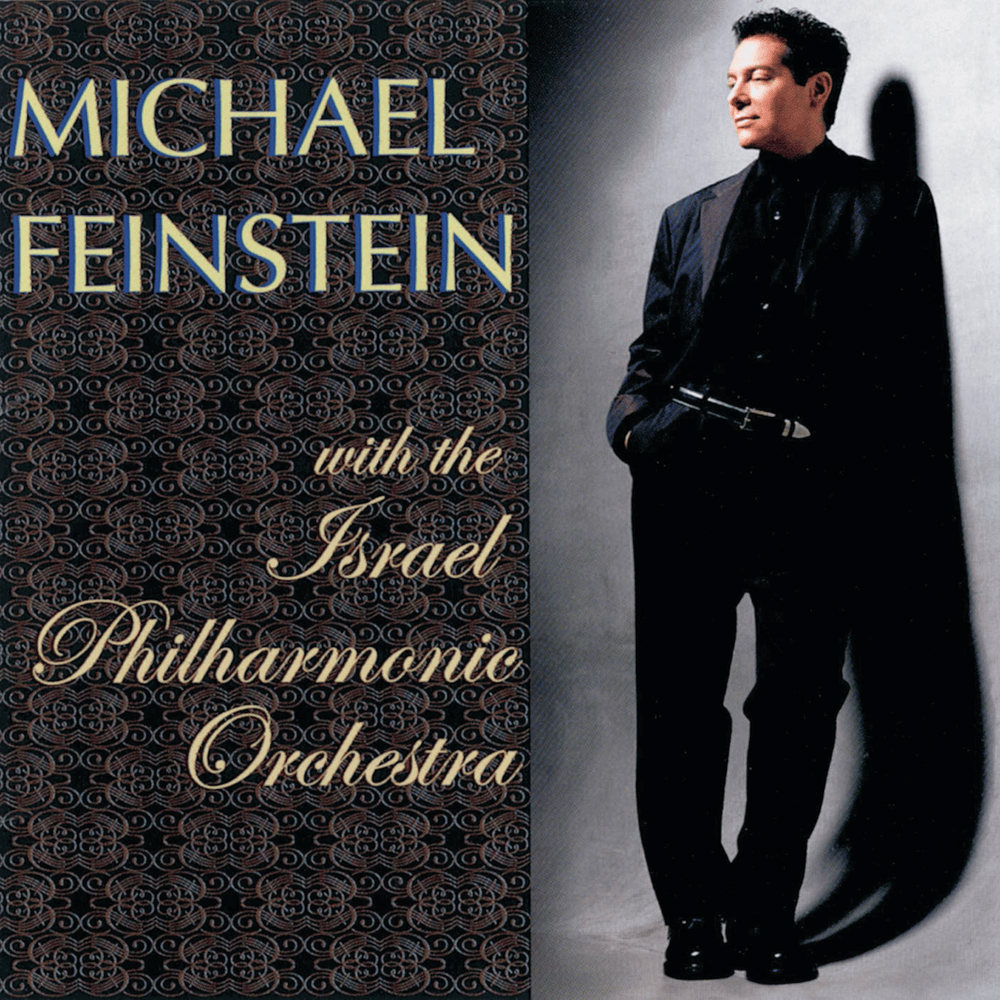
Michael Feinstein's rendition of "Laura" isn't just a song; it's an exploration of memory's elusive nature, a haunting portrait painted with broad strokes of longing and the bittersweet ache of something just out of reach. The opening lines immediately plunge us into the heart of the matter, that frustrating sensation of half-formed recollections, of experiences that feel intensely familiar yet resolutely remain beyond our grasp. It's a universal human experience, this tantalizing dance with the ephemeral nature of the past, and "Laura" captures it with poignant accuracy.
The song's genius lies in its refusal to define Laura concretely. Instead, she exists as a collection of sensory impressions: a face in the "misty light," phantom footsteps echoing in a hallway, a disembodied laugh carried on a summer breeze. These fragments coalesce into an idea, a feeling, rather than a tangible person. "Laura" becomes a symbol for lost innocence, a first love perhaps, or even the idealized version of a person that exists solely in the realm of memory. The lyrics cleverly imply that Laura may not even be real, existing only as a dream, a figment of the narrator's imagination, further blurring the lines between reality and fantasy.
Ultimately, "Laura" transcends a simple love song. It's a meditation on the power of the human mind to create and sustain narratives, even when those narratives are built on fragments and shadows. It speaks to our innate desire to hold onto fleeting moments, to imbue them with meaning, and to find solace in the beauty of what once was, or perhaps, what never truly existed at all. Feinstein's delivery, imbued with a gentle melancholy, only deepens the song's resonant exploration of memory, desire, and the enduring allure of the unattainable.
 View Artist