Song Meaning
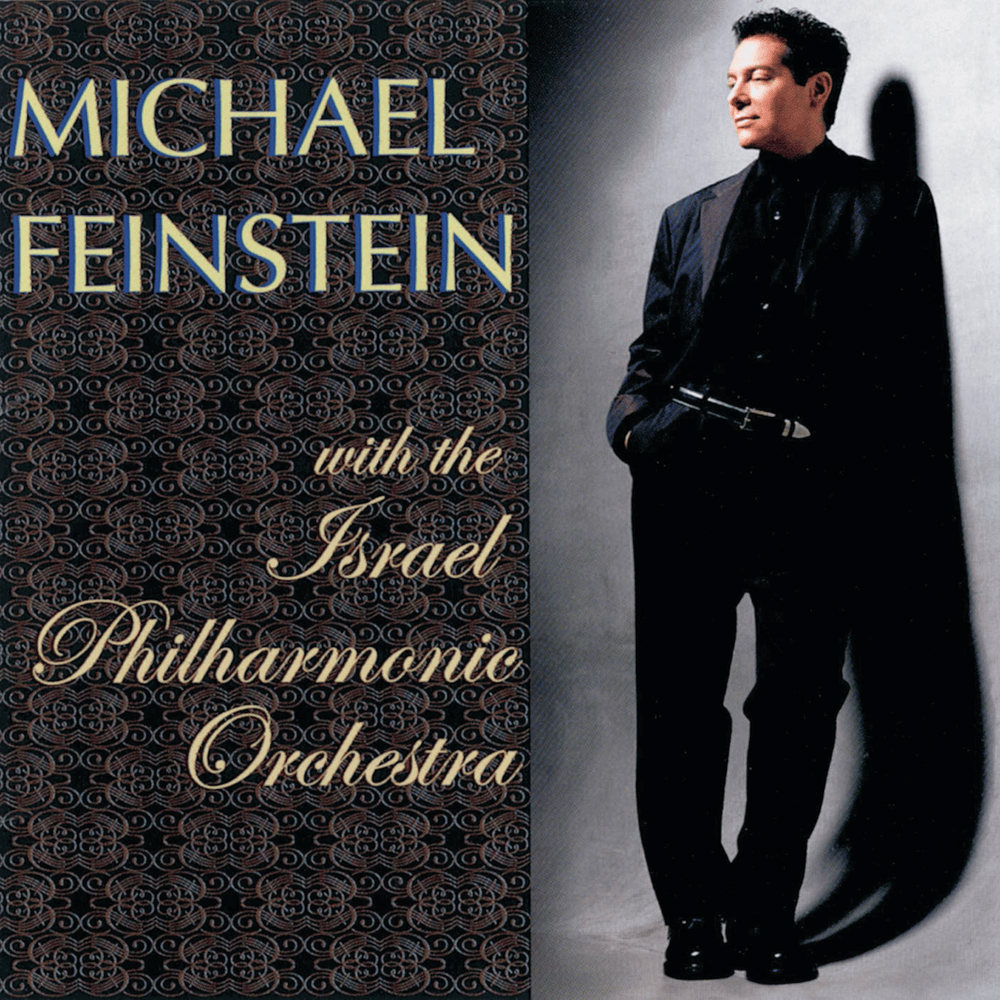
Michael Feinstein's rendition of "Love Is Here to Stay" isn't just a song; it's a defiant act of optimism hurled into the face of existential dread. Written by George Gershwin with lyrics by Ira Gershwin, the song, in Feinstein's capable hands, transcends its Tin Pan Alley origins to become a timeless declaration against the ephemeral nature of, well, everything. The opening lines, "It's very clear, our love is here to stay / Not for a year but ever and a day," establish an almost aggressively hopeful tone. It's a bold claim, considering the relentless march of time and entropy.
The genius of the lyrics lies in juxtaposing the fleeting trends of modern life—"the radio and the telephone and the movies that we know"—with the seemingly unshakable bond of love. These modern marvels, sources of constant stimulation and connection, are dismissed as "passing fancies," destined to fade into obsolescence. In contrast, love is presented as an enduring force, a constant in a world of perpetual change. Feinstein's interpretation understands this tension, delivering the lyrics with a sincerity that avoids saccharine sentimentality.
The song’s most potent image arrives with the lines about the Rockies crumbling and Gibraltar tumbling. These geological titans, symbols of permanence and strength, are reduced to mere "clay," vulnerable to the inevitable forces of decay. Yet, even in the face of such cosmic indifference, love persists. "Love Is Here to Stay" becomes an act of will, a conscious choice to believe in something lasting even when all evidence suggests otherwise. It's a powerful message, delivered with the sophistication and emotional intelligence that defines Feinstein's artistry. The song's meaning, therefore, isn't just about romantic love; it's about the human need for permanence in an impermanent world.
 View Artist