Song Meaning
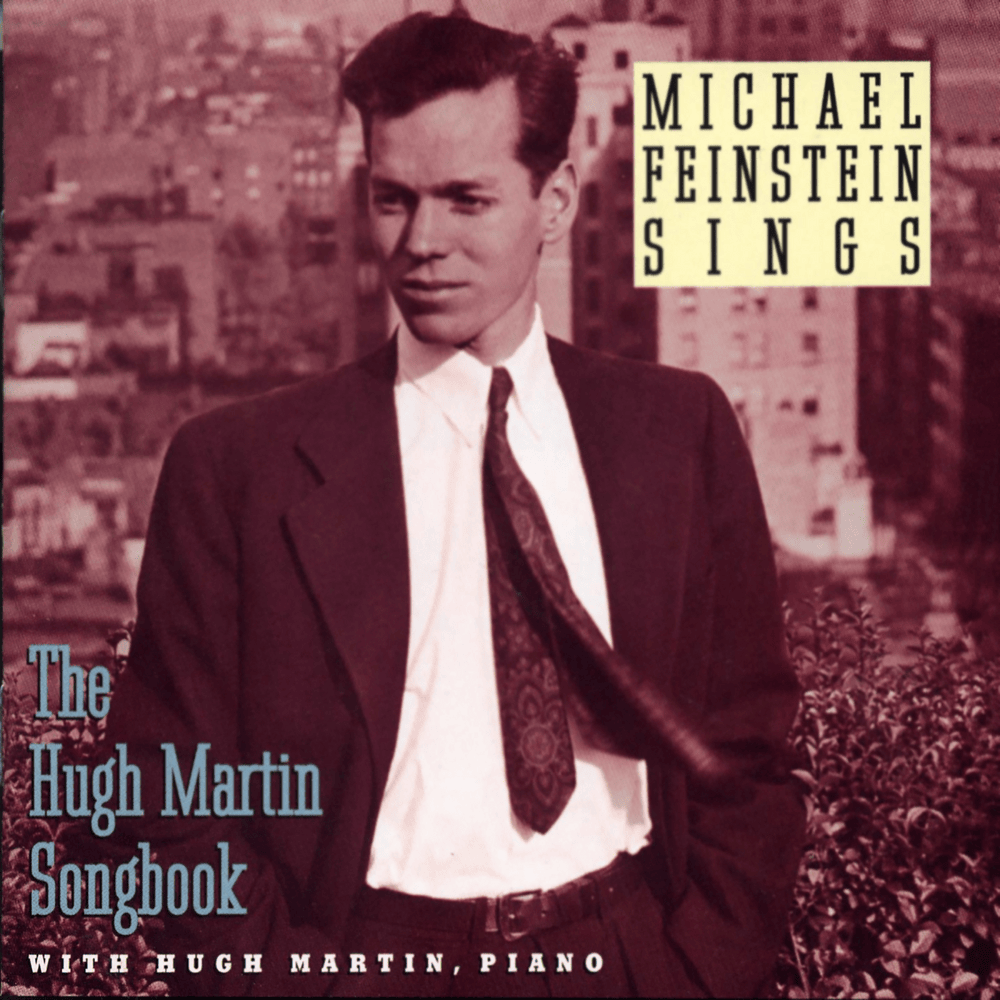
Michael Feinstein's rendition of "The Trolley Song" isn't just a nostalgic jaunt down memory lane; it's a meticulously crafted sonic portrait of infatuation's dizzying, disorienting power. The onomatopoeic lyrics, mimicking the sounds of the trolley – "Clang, clang, clang," "Ding, ding, ding" – serve as a percussive heartbeat, mirroring the protagonist's escalating pulse as she encounters her crush. The trolley itself becomes a metaphor for the unpredictable, often chaotic, journey of love at first sight. It's a vehicle carrying not just passengers, but also the hopes, fears, and anxieties of nascent attraction.
What elevates "The Trolley Song" beyond simple romantic fluff is its acute psychological realism. The lyrics capture the almost paralyzing effect of intense attraction. Note the line: "I couldn't speak because he scared me half to death." This isn't mere coyness; it's an honest depiction of the vulnerability and self-doubt that can surface when confronted with someone who sparks a deep, immediate connection. The protagonist's internal world is thrown into disarray, her "heartstrings" acting as a seismograph, registering every subtle shift in her emotional landscape. The trolley's movements become intertwined with her own emotional trajectory, each stop and start amplifying her internal turmoil.
Ultimately, "The Trolley Song," in Feinstein's capable hands, transcends its seemingly simple narrative. It's a reminder of the exhilarating, sometimes terrifying, power of human connection. The final image – "Just to stand with his hand holding mine / All the way to the end of the line" – offers a bittersweet sense of resolution. It suggests that even fleeting moments of connection can leave an indelible mark, transforming the mundane into something magical. The trolley ride, therefore, becomes a metaphor for life itself: a journey filled with unexpected encounters, fleeting moments of joy, and the constant possibility of finding connection in the most unlikely of places.
 View Artist