Song Meaning
The lyrics paint a picture of a profound, almost mythical closure. The narrator declares an end, and with it, a return to natural order: "The birds can nest again." This suggests a preceding period of disruption or turmoil, now resolved. The emotional landscape shifts dramatically, with happiness tied to external, often melancholic, events – "I'll only snow when the sun comes up" and "Only when it starts to rain." This isn't simple sadness, but a complex acceptance of joy found in somber moments.
The narrator offers a peculiar form of sustenance and comfort, a surreal generosity. A squeezed hand prompts "wine will flow into the land / And feed my lambs." This imagery elevates the narrator beyond a mere person to a life-giving force, a source of abundance. They explicitly state, "For I am a mirror," capable of reflecting even the "moon," and later, a "silver spoon." This self-perception is one of passive reflection and provision, a tool for others rather than an independent entity.
The core of the narrator's identity seems to be a paradox: a source of profound meaning yet fundamentally incomplete. They apologize for "tak[ing] your time" and identify as "the poem that doesn't rhyme." This highlights a sense of being unfinished, perhaps even a burden, despite their reflective and nourishing qualities. The repeated phrase "I'll waste away" becomes an incantation of their ultimate fate, a fading into nothingness after fulfilling their purpose or perhaps due to their inherent lack of form.
This lyrical construction is effective because it grounds the abstract in concrete, albeit surreal, imagery. The contrast between the natural imagery of nesting birds and flowing wine, and the narrator's self-description as a mirror or a non-rhyming poem, creates a unique emotional resonance. The repeated "I'll waste away" acts as a haunting refrain, emphasizing a quiet, inevitable dissolution that feels both tragic and strangely peaceful, a final act of giving oneself up.
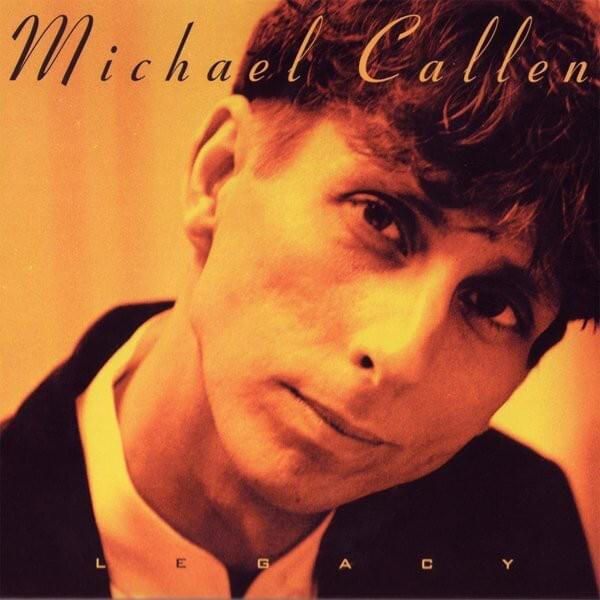
 View Artist