Song Meaning
The lyrics paint a picture of relentless, almost feverish creation, moving through city streets with a worn-out determination. The narrator describes a process of meticulous note-taking and ordering, starting from scratch and building up a significant body of work, indicated by the shift from "one" to "over a hundred." This journey is marked by hardship, with each attempt feeling like a stab in the back, yet the drive to continue is presented as fundamental, a core part of their being.
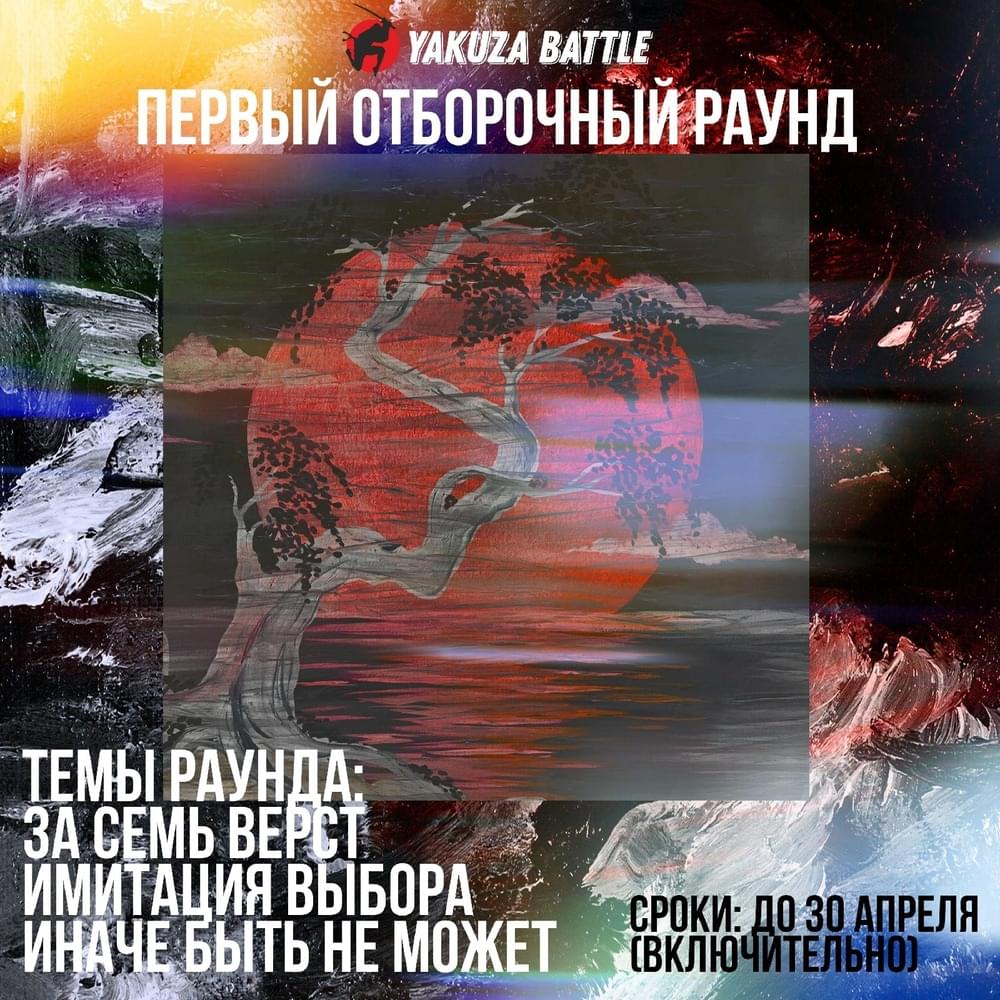
The central tension lies between the struggle and the unwavering commitment to the craft. Despite the pain and the external judgment from "empty judges," the narrator finds sustenance and purpose in their work. The phrase "otherwise it cannot be" (иначе быть не может) is repeated, emphasizing this inherent necessity of creation, regardless of external validation or the difficulty of the path. This suggests a deep-seated compulsion to produce, a defining characteristic of their identity.
A striking image is the "ash swirling with warmth, using it like a coin." This suggests that even the remnants of past efforts or struggles are repurposed, becoming a form of currency or fuel for the ongoing creative process. The contrast between the "blind rage" driving them to the bottom and the "source always higher than any problems" highlights a resilience that transcends immediate difficulties, finding strength in something deeper and more enduring.
Ultimately, the effectiveness of these lyrics stems from their raw portrayal of artistic perseverance. The narrator isn't seeking external approval but is driven by an internal imperative. The language is direct and visceral, capturing the gritty reality of creation as a battle, where even the negative experiences are transmuted into motivation, making the commitment to their art feel authentic and hard-won.
 View Artist