Song Meaning
These lyrics plunge into a suffocating internal landscape, immediately establishing a dynamic of hollow entanglement. The opening lines, "The me inside of you / Always empty figure" and "The you inside of me / Always passive figure," paint a picture of identities consumed and diminished by each other, leaving behind only vacant shells. It's a stark, unsettling introduction to a relationship—or perhaps an internal state—devoid of genuine substance.
The central tension here lies in the bitter contrast between what could have been and a crushing reality. The narrator muses, "A future that could have been / Maybe it is only the memory that is beautiful," suggesting a profound disillusionment where even nostalgia is tainted by cynicism. This isn't just about lost love; it's about the destructive weight of disappointment, hinting that "Disappointment is for self destruction," a self-inflicted wound born from unfulfilled hopes.
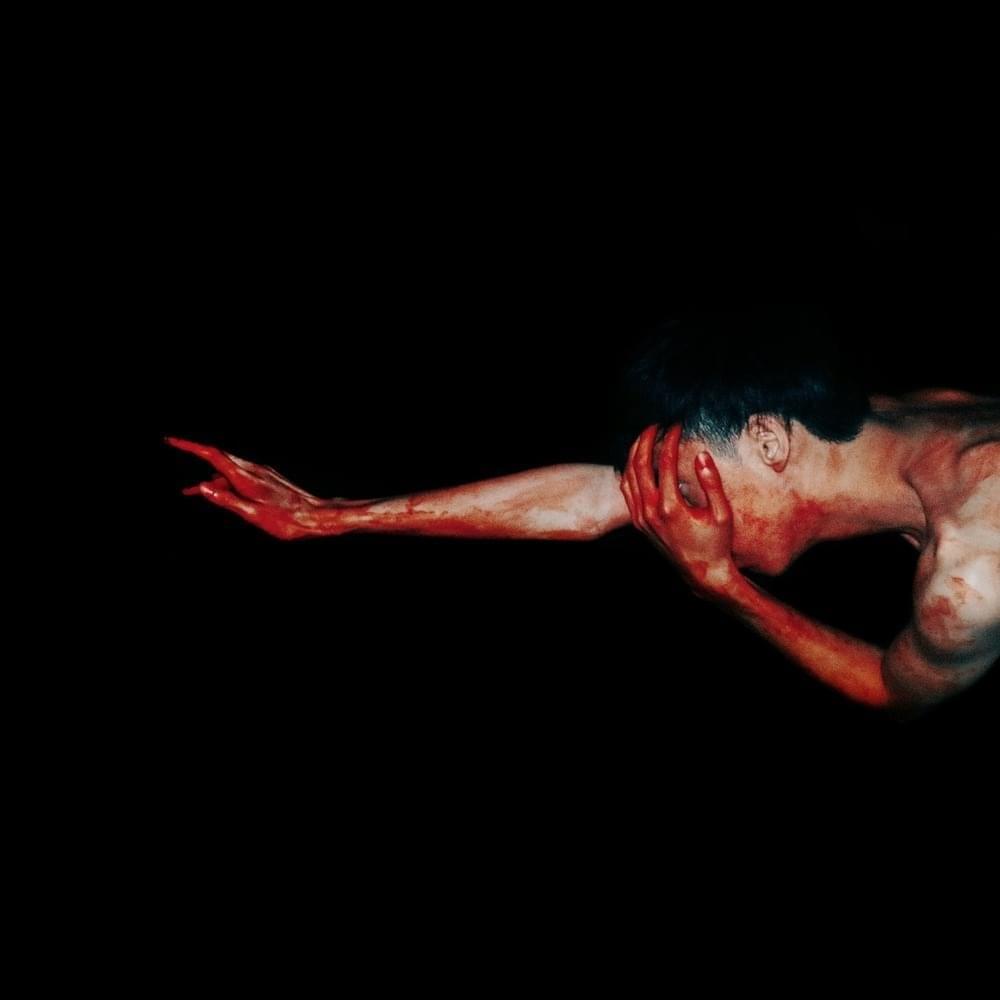
The craft truly shines in its use of visceral, disturbing imagery that conveys profound betrayal and entrapment. The line "Hold my head, you caress the noose" is a gut punch, transforming an intimate gesture into an act of slow, deliberate destruction. This chilling metaphor, alongside the declaration "I feel you rot, just like a slave / In fucking love, 'til I am free," paints love not as liberation, but as a decaying prison from which the narrator desperately seeks escape.
Ultimately, these lyrics are effective because they articulate a desperate struggle for authenticity and freedom within a toxic, seemingly inescapable dynamic. The stark, almost philosophical pronouncements like "Birth is not life / Death is not choice" challenge fundamental assumptions about existence and agency, suggesting a life lived without true vitality or control. The narrator's final, defiant hope, "I hope you will judge me for living," is a powerful, raw plea to be seen and validated for simply enduring, even in the face of such profound internal and external decay.
 View Artist