Song Meaning
This is a tale of a woman who left her hometown, Little Rock, for the big city, finding unexpected financial freedom and a certain kind of independence. She recounts how she ended up with a charge account at Murray Hill, racking up a significant debt that, curiously, she never had to pay. This initial experience suggests a life where consequences, at least financially, were surprisingly absent, setting a tone for her later romantic entanglements.
The narrator then pivots to her romantic life, admitting she wasn't "smart about romance" back then. She contrasts her past naivete with a newfound understanding: love often comes with tangible "appreciation in advance." This implies a shift from emotional vulnerability to a more pragmatic, perhaps even transactional, view of relationships, born from past disappointments. Her landlord, initially a paternal figure, becomes a source of conflict when his financial stake in her situation is revealed, highlighting a recurring theme of hidden motives and financial entanglements.
The most striking element is the repeated, almost defiant declaration: "the one who done me wrong." This phrase, sung with a retrospective air, is directed back to Little Rock. It’s a complex sentiment, not just of bitterness, but of acknowledgment. The city, and perhaps a specific person there, might have caused pain, but that experience ultimately led her to the financial opportunities and worldly wisdom she now possesses. The "encore" nature of the song suggests this is a look back, a final, knowing statement on how hardship can unexpectedly pave the way for a different kind of success.
What makes these lyrics resonate is the wry, self-aware tone. The narrator isn't just recounting events; she's dissecting them with a sharp, almost cynical humor. The juxtaposition of financial irresponsibility with romantic disillusionment, all tied back to her origins in Little Rock, creates a narrative of a woman who has learned to navigate the world on her own terms, even if those terms are a little unconventional. The final return to "Little Rock" feels less like a longing for home and more like a declaration of how her past, however flawed, shaped her present.
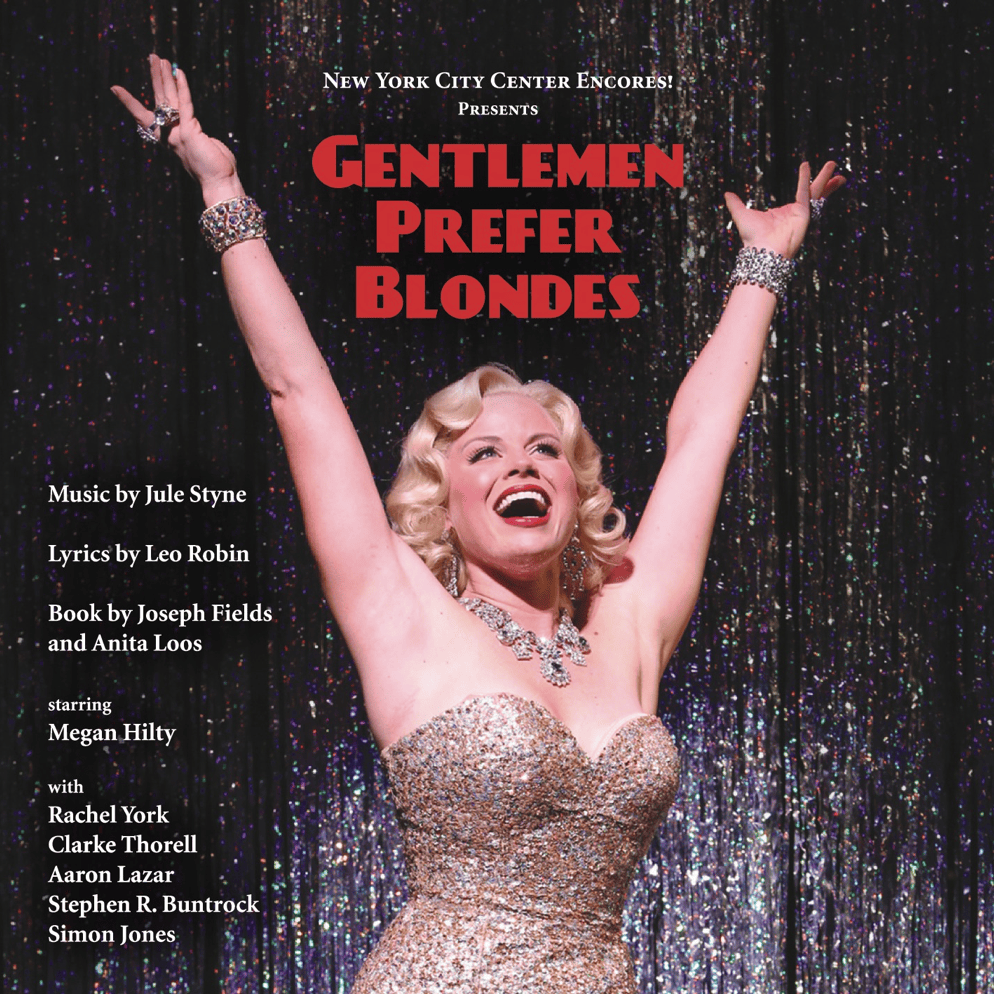
 View Artist