Song Meaning
The narrator desperately wants to offer comfort and solace, wishing for the power to erase sorrow and bring back joy. They express a deep desire to shield a loved one from pain, imagining having a song or a dream to offer as a protective charm. This yearning to alleviate suffering is palpable, highlighting a profound empathy and a wish for a more tangible form of support. The core sentiment is a selfless wish to bear the burden of another's sadness.
This desire for intervention creates a central tension: the narrator’s immense love and willingness to act versus their perceived powerlessness. They acknowledge the limitations of their own abilities, stating, "all I have are thoughts to borrow." This isn't a boastful claim of magical powers but a humble offering of what little they can provide. The repeated phrase "If we could only steal tomorrow" underscores this yearning for a future free from present hardship, a future they can't directly create but deeply wish for.
The lyrics employ a gentle, almost lullaby-like tone, contrasting with the weighty emotional burden being described. The narrator’s promise, "Be sure I'll be beside you / Till the morning light," offers a steady presence amidst the implied turmoil. The phrase "guide you / Be it wrong or right" reveals a commitment that transcends judgment, suggesting a love that will persist even if the path forward is uncertain or flawed. This unwavering dedication, even with limited means, forms the emotional core.
Ultimately, the effectiveness of these lyrics lies in their raw, unvarnished expression of care. The narrator doesn't pretend to have all the answers or the power to fix everything. Instead, they offer their presence and their thoughts as a testament to their love. The final plea, "And hope you'll understand," is a quiet acknowledgment of the inadequacy of their gifts, yet it’s precisely this vulnerability that makes the offering so potent and relatable.
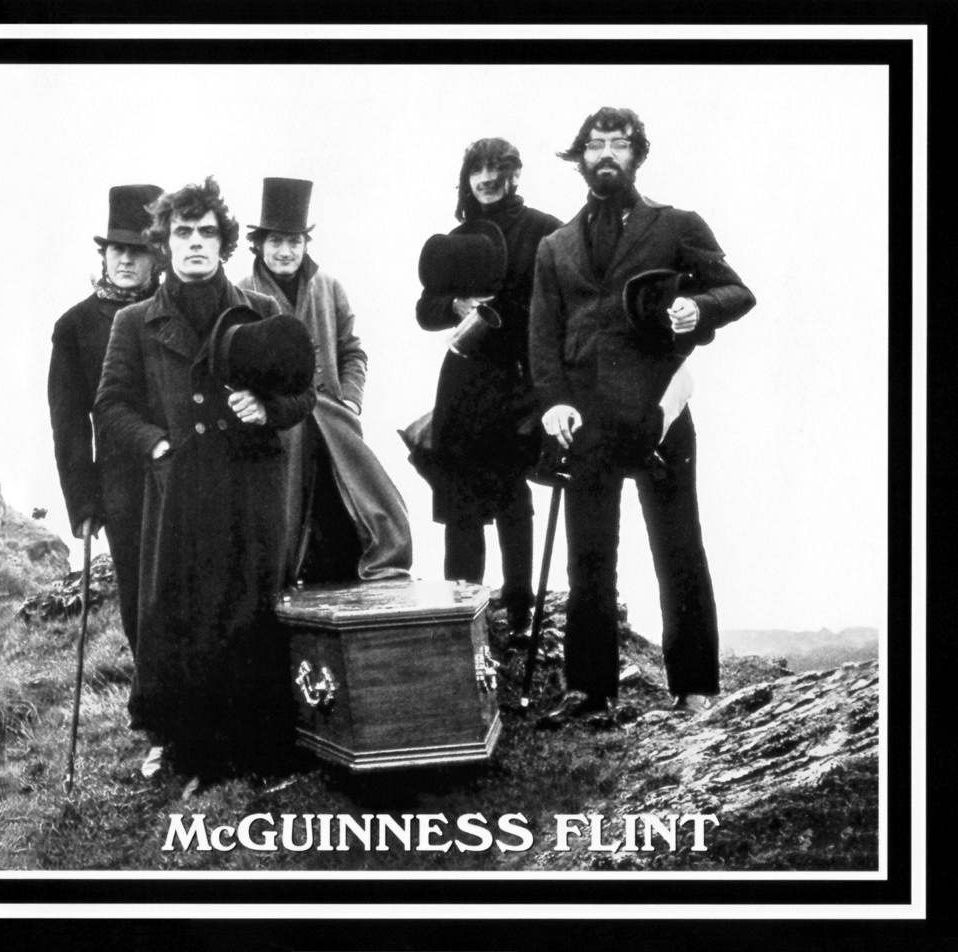
 View Artist