Song Meaning
This track opens with a stark, almost defiant plea for a specific kind of remembrance after death. The narrator professes love but immediately pivots to a request: "don't cry the night away." It’s a curious instruction, suggesting a desire to avoid burdening loved ones with sorrow, even in absence. The repeated phrase "when I'm dead and gone" sets a somber stage, yet the desired outcome is surprisingly upbeat: "leave some happy woman living on."
The central tension lies between the narrator's own mortality and a desire for his legacy to be one of joy, not grief. He explicitly rejects a mournful epitaph, wanting instead to be remembered through the continued happiness of others. This contrasts sharply with the second verse, which introduces a palpable threat from "Old Mama Linda" and her shotgun, hinting at a life lived on the edge or perhaps a complicated personal history that could easily lead to a violent end. The question, "Who's got the love? Who's got enough to keep a man like me?" feels like a desperate, almost boastful, inquiry about his own desirability amidst potential danger.
The most striking aspect is the juxtaposition of profound personal loss with a communal, almost transactional, view of legacy. The narrator doesn't want personal mourning; he wants his existence to have facilitated someone else's happiness. The repeated insistence on not wanting "nobody to mourn beside my grave" hammers home this desire for a life celebrated through continued vitality rather than remembered through sorrow. It’s a peculiar form of immortality, sought not in stone or memory, but in the ongoing well-being of another.
Ultimately, the lyrics resonate because they tap into a complex human desire to control one's narrative even after death. The narrator’s insistence on a happy legacy, despite the implied dangers of his present life, creates a compelling, if unconventional, vision of what it means to leave something behind. It’s a wish for his passing to be a catalyst for joy, a final act of love that transcends his own demise.
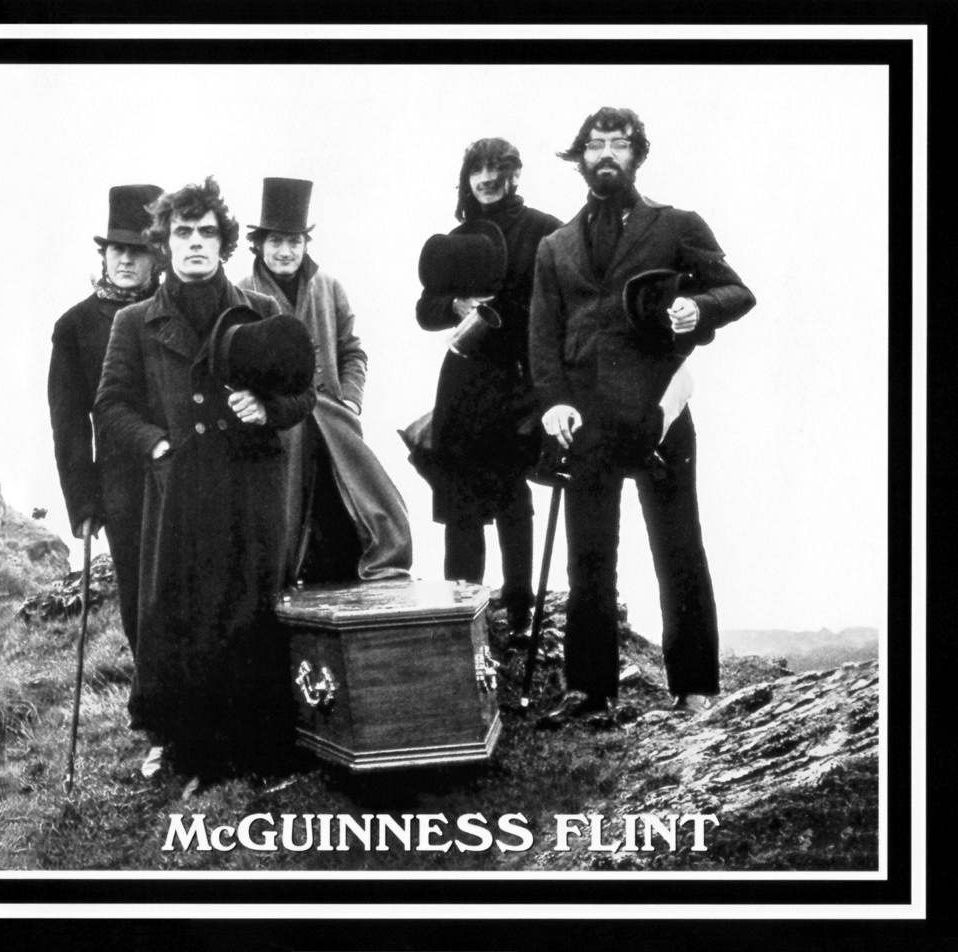
 View Artist