Song Meaning
The scene is simple yet potent: a moonlit night, a familiar bar, and an invitation to reminisce. The speaker addresses someone intimately, urging them to "Come with me" and look back. There's an immediate sense of shared history, a quiet moment unfolding between two people.
The central tension of these lyrics hinges on a stark, poignant contrast. While the speaker observes, "See, in the bar nothing changed," they immediately follow with the profound truth: "We changed." This shift from an unchanging physical space to the deep, internal transformation of a relationship drives the emotional core, suggesting a bittersweet acceptance of how lives diverge, even unintentionally.
The craft here is subtle but devastatingly effective. The speaker recalls "past things / That cradled my dreams of love," using the tender verb "embalavam" to evoke a cherished, romantic past. This memory then collides with the present reality: "Today we are together again love / Clinking glasses like two friends / Nothing more..." That final, understated phrase, "Nada mais," delivers a quiet punch, sealing the transformation from lovers to companions with a sense of resigned finality.
What makes these lyrics so effective is their unflinching honesty and understated melancholy. The narrator acknowledges that "Our fights were natural," implying that the changes weren't necessarily dramatic ruptures but perhaps an inevitable, gradual drift. This acceptance, coupled with the lingering intimacy of being together "amor" even as "dois amigos," creates a deeply resonant portrait of love's evolution, where the echoes of what was are still present, but irrevocably altered.
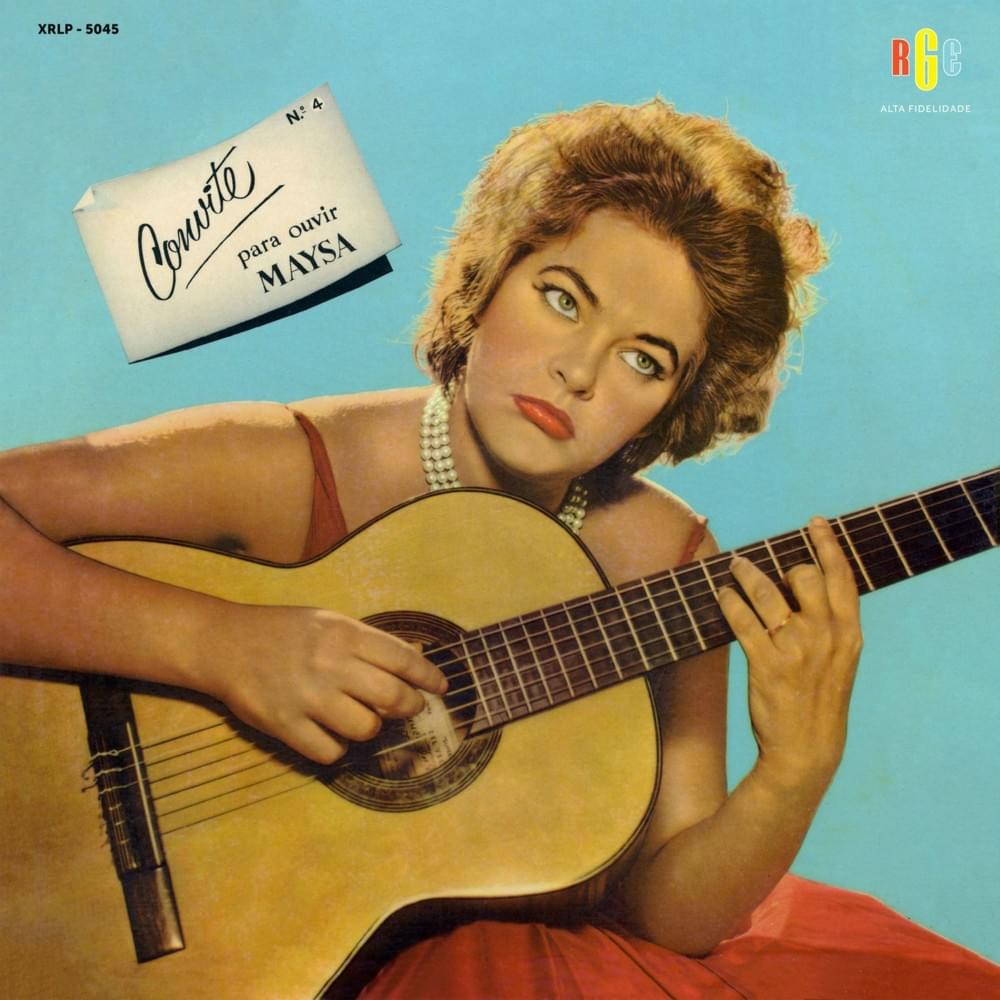
 View Artist