Song Meaning
The lyrics paint a picture of someone embracing solitude, finding a strange contentment in their independence. There's a clear declaration of self-sufficiency: "Sem amor, sem ninguém" (Without love, without anyone) is immediately followed by "Sou porém bem feliz / Por ser livre assim" (But I am very happy / For being free like this). This isn't a lament, but a celebration of autonomy, a conscious choice to live "Sem obedecer ninguém / A não ser esse meu coração" (Without obeying anyone / Except this heart of mine).
The central tension arises from the simultaneous assertion of happiness in solitude and the underlying, almost wistful, search for connection. While the narrator claims to be "bem feliz" (very happy) and "livre assim" (free like this), the second half introduces a conditional desire for a "lar" (home) and a life that "começar a viver" (begins to live), contingent on finding someone who "me possa entender" (can understand me). This creates a fascinating duality: a present joy in freedom juxtaposed with a future hope for shared understanding.
The most striking aspect is the narrator's self-definition as existing in a state of "Eu e Deus / Mais ninguém" (Me and God / No one else). This phrase, repeated twice, anchors their identity in a profound, almost spiritual, aloneness. The addition of "A não ser que chegue esse alguém" (Unless that someone arrives) and the final "À procura de alguém" (Searching for someone) subtly shifts the perspective, suggesting that this self-imposed solitude is perhaps a temporary state, a waiting period rather than an absolute end.
Ultimately, the lyrics resonate because they capture a complex emotional landscape that many experience: the genuine pleasure of self-reliance intertwined with the innate human yearning for deep connection. The writing doesn't force a choice between these feelings; instead, it allows them to coexist, presenting a nuanced portrait of a soul navigating its own path, content yet open to the possibility of shared existence.
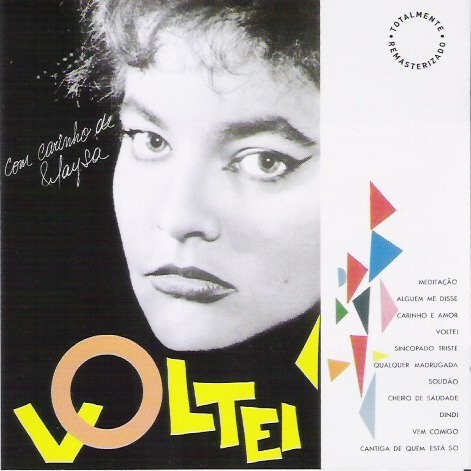
 View Artist