Song Meaning
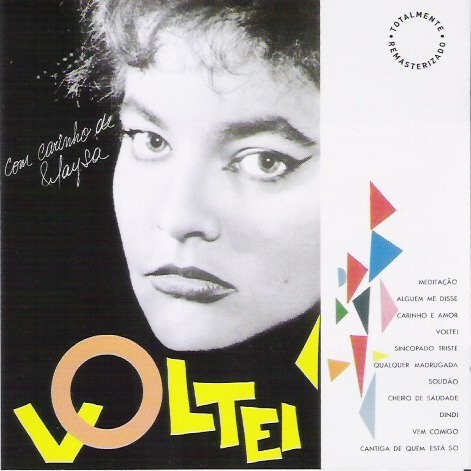
The lyrics paint a picture of a relationship teetering on the edge, with one person pleading for the other to return. The opening lines immediately establish a dynamic where the returning partner holds the power: "Se você quer voltar / Você quem manda amor" (If you want to return / You're the one in charge, love). This surrender of control suggests a deep desire to mend what's broken, emphasizing that "Nem tudo está perdido" (Not everything is lost). The tone is one of earnest desperation, a plea to salvage the relationship from ruin.
The central tension lies in the shared pain and the question of why it must continue. The narrator observes, "Se eu choro por você / Você também por mim" (If I cry for you / You also cry for me), highlighting a mutual suffering that seems counterproductive. The repeated questions, "Porque chorar assim? / Porque sofrer assim?" (Why cry like this? / Why suffer like this?), underscore the futility of their current emotional state and the desire to break free from this cycle of sadness.
The most striking element is the direct appeal to overcome pride as the obstacle to reconciliation. The narrator urges, "Esqueça o seu orgulho que nos mata" (Forget your pride that kills us), framing ego as a destructive force actively destroying their bond. This contrasts sharply with the initial power dynamic, suggesting that the partner's pride, not necessarily a lack of love, is what's keeping them apart. The final, heartfelt invitation, "E volte por favor venha correndo / Que estarei para lhe dar carinho e amor" (And please come back running / Because I'll be here to give you affection and love), offers a clear path forward, emphasizing warmth and tenderness as the antidote to their pain.
 View Artist