Song Meaning
These lyrics open with a striking, almost absurd greeting: "Bom dia tristeza, que tarde tristeza." The speaker addresses sadness directly, not as an unwelcome guest, but as an expected, even missed, visitor. It's a disarmingly intimate welcome to an emotion most people try to avoid.
The central tension here is the speaker's unusual relationship with sorrow. They confess to feeling "meio triste / De estar tanto tempo longe de você," implying that this particular sadness is so intertwined with their experience that its absence feels like a void. The invitation to "Se chegue tristeza / Se sente comigo / Aqui nesta mesa de bar" transforms an abstract feeling into a tangible companion, making the profound act of grieving feel strangely mundane and accessible.
The craft truly shines in how it grounds this abstract emotion. The speaker invites sadness to "Beba do meu copo / Me dê o seu ombro," creating a vivid image of shared intimacy. This isn't just a feeling; it's a presence offering physical comfort, a shoulder to cry on. The repetition of this entire invitation reinforces the ritualistic nature of this encounter, suggesting a deep, perhaps cyclical, acceptance of this particular sorrow.
Ultimately, these lyrics are effective because they normalize and humanize a difficult emotion. By personifying sadness and inviting it to share a drink, the speaker reclaims agency over their feelings. The final, poignant line, "Chorar de tristeza / Tristeza de amar," reveals the source of this bittersweet acceptance: the pain is a direct consequence of love, making it an almost cherished part of the human experience.
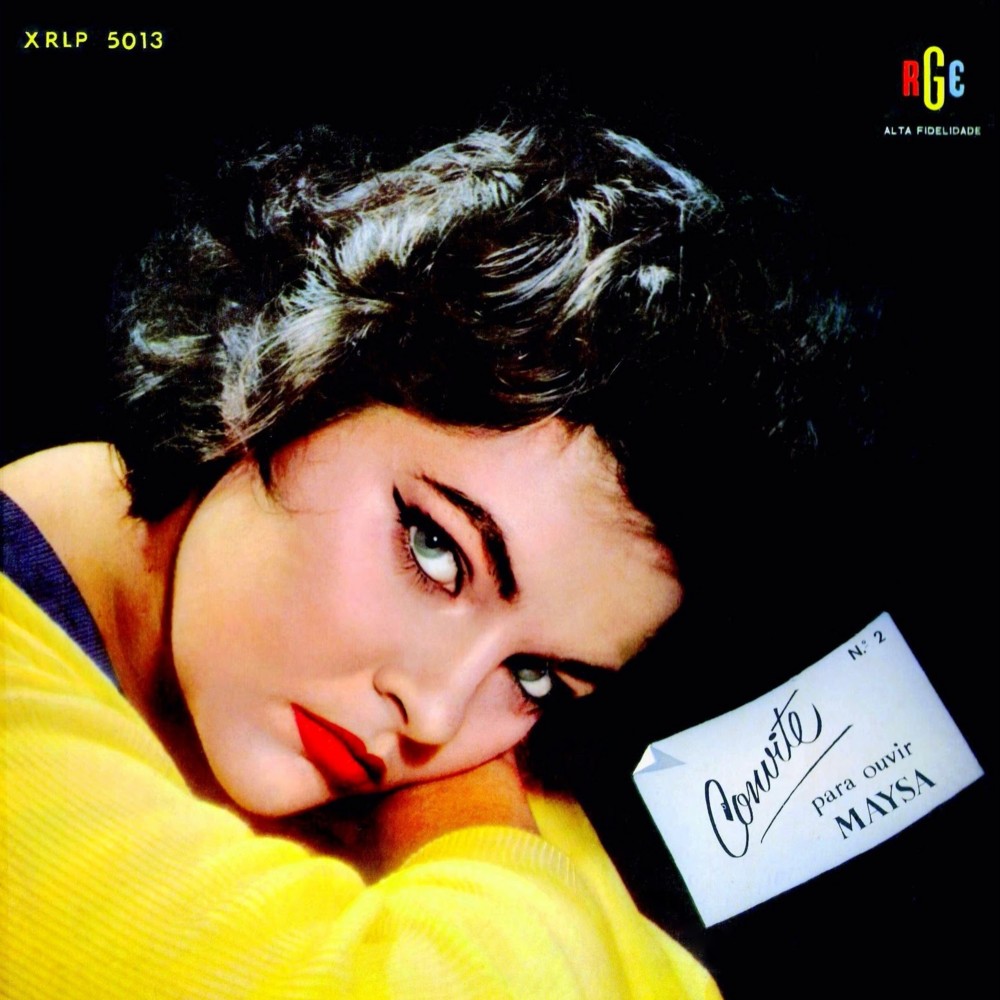
 View Artist